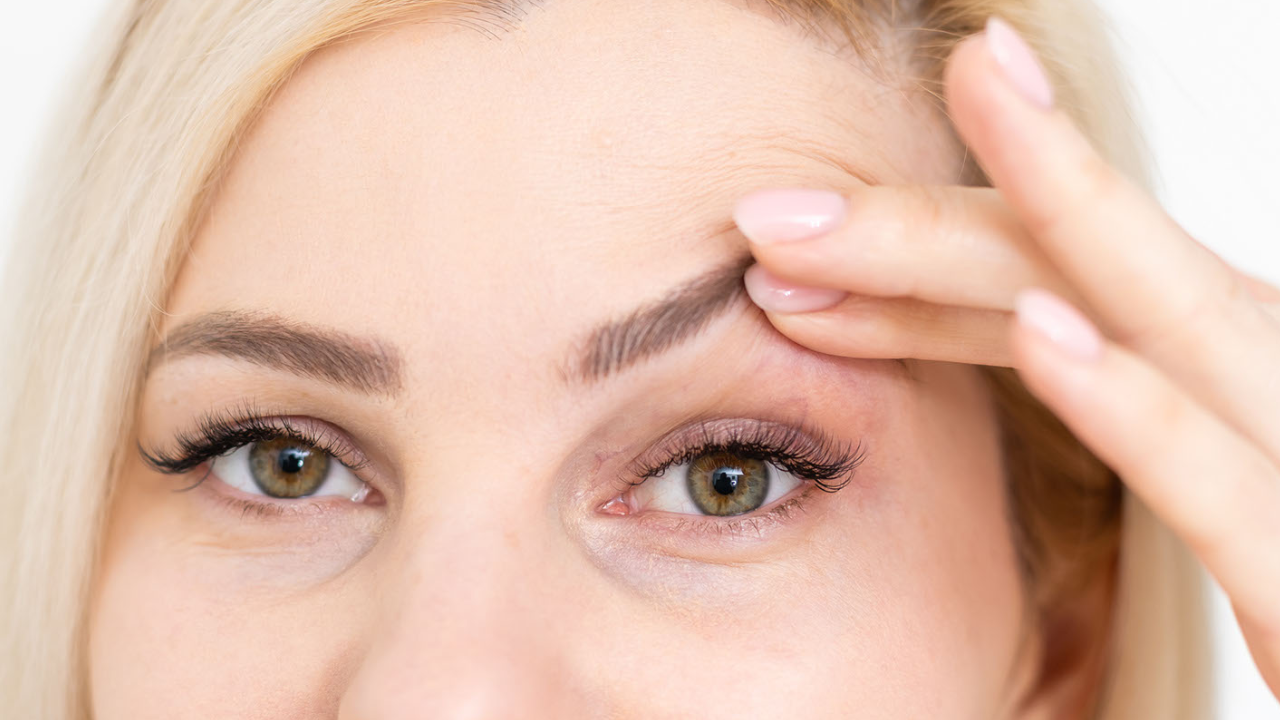
Ptosis surgery is a procedure designed to correct drooping of the upper eyelid, a condition that can make the eyes look tired or uneven and, in some cases, interfere with the upper field of vision. When the eyelid sits lower than it should, it may create facial asymmetry, cause people to raise their eyebrows to see better, and lead to eye strain or a heavy-lid sensation—especially during reading, driving, or prolonged screen time. For these reasons, ptosis surgery is often performed for both functional improvement and a more balanced, refreshed appearance.
The goal of ptosis surgery is to restore the eyelid to a natural height and contour by adjusting the structures responsible for lifting the lid—most commonly the levator muscle and its tendon-like attachment. The surgical plan is tailored to each patient based on the cause of the ptosis, the strength of the eyelid lifting muscle, and the degree of drooping. With appropriate technique selection and proper aftercare, ptosis surgery can improve symmetry, enhance comfort, and—when vision is affected—help open the visual field for clearer, easier sight.
What Is Ptosis Surgery?
Ptosis surgery is a procedure performed to correct drooping of the upper eyelid (ptosis), which can make the eyes look tired, create asymmetry, and sometimes narrow the upper visual field. The aim is to restore the eyelid to a more natural position so the eyes appear more balanced and, when vision is affected, seeing becomes easier and more comfortable.
This surgery focuses on the structures that lift the eyelid—most commonly the levator muscle and its tendon-like attachment. Depending on the underlying cause and how well the levator works, the surgeon may tighten, reposition, or reinforce these tissues to improve eyelid height and contour. When the lifting muscle is weak, the approach can shift toward techniques that use alternative support to raise the eyelid more effectively.
Causes of Ptosis: Why Eyelids Droop
Eyelid drooping can develop for different reasons, including age-related stretching of eyelid support tissues, muscle weakness, nerve-related issues, or physical heaviness of the lid. Identifying the cause is important because it helps guide which treatment and surgical technique will be most appropriate.
- Aging-related changes (tendon stretching or weakening over time)
- Congenital ptosis (present from birth due to underdeveloped lifting muscle)
- Nerve-related causes affecting eyelid movement
- Muscle disorders that reduce lifting strength
- Trauma or previous eyelid/eye surgery altering eyelid structures
- Mechanical heaviness from excess skin, swelling, or eyelid masses
- Long-term contact lens use in some individuals due to repeated lid manipulation
Who Is a Good Candidate for Ptosis Surgery?
A good candidate is typically someone whose upper eyelid drooping affects vision, causes eye strain, or creates noticeable asymmetry and who has a stable condition that can be corrected safely. Proper assessment includes eyelid measurements, evaluation of muscle function, and a review of eye surface health to plan the most suitable approach.
- Drooping that blocks part of the upper visual field
- Eyelid asymmetry that is aesthetically or functionally bothersome
- Forehead tension or fatigue from repeatedly raising the brows to see better
- Generally healthy eye surface without active infection or uncontrolled dryness
- Stable overall health suitable for a minor surgical procedure
- Realistic expectations about symmetry and healing
- Children may be considered when drooping threatens visual development
Types of Ptosis Surgery Procedures
Ptosis correction is not a single standard technique; the method is selected based on eyelid anatomy, the strength of the eyelid lifting muscle, and the root cause of the droop. The goal is to achieve a natural eyelid contour and stable height while preserving comfortable blinking and eye protection.
Types:
- Levator advancement (aponeurosis repair) via an external approach
- Levator resection to strengthen lift when muscle function is adequate
- Müller muscle-conjunctival resection (internal approach) for selected mild-to-moderate cases
- Frontalis sling for cases with poor levator function
- Combined ptosis repair with blepharoplasty when excess skin also contributes to heaviness
Common Side Effects and Complications
Ptosis surgery is generally well-tolerated, but like any procedure, it can involve temporary side effects and, more rarely, complications. Most issues are mild and improve as swelling settles and the eyelid position stabilizes.
- Swelling and bruising around the eyelids
- Mild pain, tightness, or tenderness
- Dryness, watering, light sensitivity, or a gritty sensation
- Temporary blurred vision from ointment or swelling
- Slight asymmetry during early healing
- Undercorrection (lid still droops) or overcorrection (lid sits too high)
- Difficulty fully closing the eye, especially at night (lagophthalmos)
- Visible crease changes or minor contour irregularities
- Infection or inflammation (uncommon)
- Bleeding/hematoma (uncommon)
- Scarring or suture-related irritation (more likely with external approach)
- Corneal irritation or abrasion if dryness/closure issues occur
- Need for revision surgery in selected cases
Tips for Faster Healing and Better Results
Healing is influenced by how well you protect the eyelids in the first days and how consistently you follow aftercare instructions. Small habits—especially avoiding friction and controlling swelling—can make a noticeable difference in comfort and final symmetry.
- Use cold compresses as recommended during the first 24–48 hours
- Keep your head elevated while resting and sleeping
- Use prescribed drops/ointment exactly as instructed to prevent dryness
- Avoid rubbing, pulling, or stretching the eyelids
- Skip eye makeup and contact lenses until your surgeon approves
- Avoid heavy exercise, bending, and lifting early on to reduce swelling/bleeding risk
- Protect the area from sun and wind; wear sunglasses outdoors
- Keep the incision clean and dry as directed; don’t pick at scabs
- Attend all follow-up visits so small issues are caught early
- Limit screen time if it worsens dryness; lubricate proactively
- Don’t smoke and avoid alcohol in early recovery if advised, as they can slow healing
Is Ptosis Surgery Permanent?
Ptosis surgery is designed to provide long-lasting correction, and many people keep their improved eyelid height for years. However, “permanent” can vary depending on the underlying cause of the droop, tissue quality, and how the eyelid continues to change with aging. If the ptosis was caused by age-related stretching of the levator tendon, surgery can be durable, but natural aging may still gradually affect eyelid position over time.
In some cases, ptosis can partially return or the eyelid position can shift, especially if the levator muscle is weak, the condition is associated with muscle/nerve disorders, or there is significant scarring tendency. That’s why surgeons emphasize realistic expectations and careful technique selection. If noticeable recurrence or over/undercorrection happens, a revision procedure can sometimes refine the result once healing is complete and the eyelid position has stabilized.
Can Children Undergo Ptosis Surgery?
Yes—children can undergo ptosis surgery, and in certain situations it’s recommended rather than optional. The main reason is protecting vision development: if the drooping lid blocks the visual axis, causes the child to adopt a chin-up head posture, or contributes to amblyopia risk, early intervention can be important. Pediatric evaluation often includes checking for refractive errors, monitoring for “lazy eye,” and assessing whether the ptosis is stable or changing.
Timing depends on severity and visual risk. Mild cases that don’t interfere with vision may be monitored and corrected later for symmetry and function, while more significant drooping may be treated earlier to prevent long-term vision problems. The surgical method is chosen based on the child’s levator muscle function and eyelid anatomy; for weaker muscle function, a frontalis sling approach is commonly considered. Ongoing follow-up after surgery is especially important in children because the face grows and visual needs evolve over time.
Ptosis Surgery Prices 2026
Ptosis surgery prices in 2026 range between $3,000 and $6,000, depending on the clinic, surgeon’s expertise, and procedure complexity. This corrective operation tightens or shortens the eyelid muscle to lift droopy eyelids, improving both vision and appearance. Recovery usually takes 1 to 2 weeks, while full results are visible after a few months.
Costs may vary based on anesthesia type, hospital facilities, and whether the surgery is performed on one or both eyes. Some clinics also provide package deals that include consultation, surgery, and postoperative care, which can affect the overall cost.
Frequently Asked Questions
How long does ptosis surgery take?
Ptosis surgery duration depends on whether one or both eyelids are treated, the technique used, and whether an additional procedure (like blepharoplasty) is performed at the same time. Many cases are completed within about an hour, but appointments can run longer when detailed symmetry checks are needed or when complex eyelid anatomy requires extra adjustments.
Does ptosis surgery hurt?
Most patients describe ptosis surgery as more “uncomfortable” than painful, because local anesthetic typically numbs the area well during the procedure and postoperative discomfort is usually mild. After surgery, you may feel tightness, soreness, or a scratchy sensation from swelling and dryness, which is often manageable with surgeon-recommended pain relief and lubrication.
Can ptosis come back after surgery?
Yes, ptosis can come back in some cases, especially if the underlying cause is progressive (age-related tissue changes, certain muscle/nerve conditions) or if the eyelid tissues stretch over time. Even when the result is long-lasting, subtle changes can occur with natural aging, and a revision procedure may be considered if the droop becomes functionally or aesthetically significant again.
What is the success rate of ptosis correction?
Ptosis correction has a high overall success rate, but the exact rate varies based on the cause of ptosis, levator muscle strength, chosen technique, and surgeon experience. Mild-to-moderate cases with good muscle function tend to have more predictable symmetry, while complex or severe cases may carry a higher chance of needing touch-ups to fine-tune lid height and contour.
Will I have visible scars after ptosis surgery?
When an external approach is used, the incision is typically placed in the natural upper eyelid crease, so the scar usually becomes very difficult to notice once healed. Internal approaches leave no visible external scar, but not every patient is suitable for that method; scar visibility also depends on skin type, healing tendencies, and aftercare.
Is ptosis surgery done under local or general anesthesia?
Ptosis surgery is commonly performed under local anesthesia, sometimes with mild sedation, especially in adults. General anesthesia may be preferred for certain patients, including some children or those who are anxious or undergoing combined procedures, and the choice is individualized based on safety, comfort, and surgical complexity.
How soon can I return to work after ptosis surgery?
Return-to-work timing depends on your job demands and how quickly bruising and swelling settle, but many people feel comfortable resuming non-strenuous desk work within about a week. If your work involves heavy lifting, dusty environments, long screen time that worsens dryness, or public-facing roles where bruising is a concern, you may need a longer recovery window based on your surgeon’s guidance.