Endoscopic Brow Lift & Facial Rejuvenation in Istanbul
Achieve a Youthful & Dynamic Expression | Op. Dr. Yıldız Acar Ebcim
What Is an Endoscopic Brow Lift?
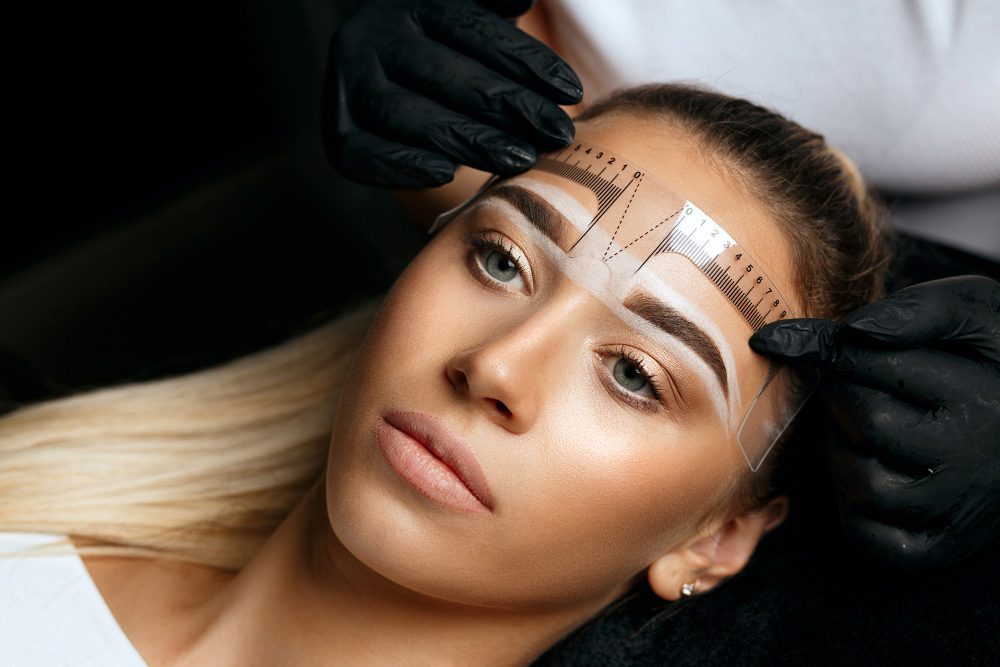
An endoscopic brow lift, also called an endoscopic forehead lift, is a surgical facial rejuvenation procedure designed to elevate a descended brow, soften forehead lines, and create a more rested appearance around the upper eyes. The surgeon works through several short incisions placed in the hair-bearing scalp and uses a small camera, called an endoscope, to view the underlying tissues. The brow and forehead tissues are then released, repositioned, and secured in a more balanced position.
Because the incisions are shorter than those used in some traditional brow-lift techniques, visible scarring may be reduced and recovery may be more manageable for suitable patients. However, the best technique depends on facial anatomy, hairline position, skin quality, the degree of brow descent, and the result the patient would like to achieve.
What Concerns Can the Procedure Improve?
- Low or Drooping Brows: Raises brows that create a heavy, tired, or concerned expression.
- Lateral Brow Descent: Improves sagging at the outer part of the brow and can make the eye area appear more open.
- Forehead and Frown Lines: Softens horizontal forehead lines and lines between the eyebrows; complete elimination of every line cannot be guaranteed.
- Upper-Face Asymmetry: May improve differences in brow height, although perfect symmetry is not a realistic surgical promise.
- Upper-Eyelid Heaviness Related to Brow Position: Lifting the brow may reduce some heaviness above the eyes. Excess eyelid skin may still require a separate blepharoplasty.
Who May Be a Good Candidate?
An endoscopic brow lift may be considered by adults who have mild to moderate brow descent, forehead ageing, or a persistently tired appearance that does not match how they feel. Suitable candidates are generally in good overall health, have realistic expectations, and understand both the benefits and limitations of surgery.
Smoking, uncontrolled medical conditions, active infection, certain medications, previous facial surgery, and individual healing characteristics can affect surgical planning. A face-to-face examination is necessary to determine whether an endoscopic approach or another brow-lift technique is more appropriate.

What Procedures May Be Combined with an Endoscopic Brow Lift?
- Temporal Lift: Targets the outer brow and temple area for a subtle lateral elevation.
- Mid-Face Lift: Repositions selected cheek tissues when mid-face descent is also present.
- Upper or Lower Eyelid Surgery: Addresses excess eyelid skin, under-eye bags, or eyelid contour concerns that a brow lift alone cannot correct.
- Fat Grafting or Other Facial Rejuvenation Procedures: May be used to restore volume or improve overall facial balance when clinically appropriate.
- Cat Eye / Fox Eye Planning: Lifting the outer eye area involves separate anatomical considerations and is not automatically included in every brow lift. The safest option should be selected after examination.
How Is the Procedure Performed?
- 1. Facial Evaluation: The brow position, forehead movement, hairline, eyelids, facial proportions, and degree of tissue descent are assessed. A personalized surgical plan is then prepared.
- 2. Anaesthesia: The procedure may be performed under general anaesthesia or another anaesthetic plan selected by the surgeon and anaesthesia team according to the operation and the patient’s health.
- 3. Small Scalp Incisions: Several short incisions are placed within or close to the hair-bearing scalp to help keep scars discreet.
- 4. Endoscopic Dissection: The endoscope provides a magnified view while the surgeon carefully releases the tissues that need to be repositioned.
- 5. Tissue Repositioning and Fixation: The brow and forehead tissues are elevated and secured in a position planned to suit the patient’s facial anatomy.
- 6. Closure: The incisions are closed with sutures, clips, or another method chosen by the surgeon. A light dressing may be used.
Advantages of Endoscopic Facial Rejuvenation
- ✔ Shorter incisions that are usually placed in the scalp
- ✔ Targeted repositioning of deeper tissues rather than skin tightening alone
- ✔ A natural-looking result when the brow position is planned conservatively
- ✔ The possibility of treating more than one facial area during the same operation when appropriate
- ✔ Long-lasting improvement, although the natural ageing process continues
Endoscopic Brow Lift vs. Traditional Brow Lift
The endoscopic technique is often considered for patients with mild to moderate brow descent and suitable scalp and hairline anatomy. Traditional approaches, such as coronal, hairline, or direct brow-lift techniques, may offer better control in patients with more significant skin laxity, a high or changing hairline, marked asymmetry, or specific functional concerns. One technique is not universally better than another; the safest and most effective choice is the one matched to the individual patient.
Recovery Timeline and Aftercare
Recovery varies according to the extent of surgery, the procedures performed at the same time, and the patient’s healing response. The following timeline is a general guide rather than a guarantee:
- First 48–72 Hours: Swelling, bruising, tightness, mild discomfort, and temporary forehead or scalp numbness are common. Keeping the head elevated and following the surgeon’s instructions may help control swelling.
- First 7–14 Days: Sutures or clips are removed when appropriate. Many patients feel comfortable returning to desk work and social activities within about 10–14 days, although visible bruising or swelling may last longer.
- Weeks 2–4: Most swelling and bruising continue to improve. Exercise, hair care, sleeping position, and other activities should be resumed only as advised by the surgeon.
- Following Months: The brow position settles, sensation gradually improves, and incision lines continue to mature. Final results are assessed after swelling has resolved and the tissues have stabilized.
Risks and Safety Considerations
Every surgical procedure carries risk. Possible complications of brow-lift surgery include bleeding or haematoma, infection, scarring, delayed wound healing, temporary or persistent numbness or itching, hair loss near the incisions, asymmetry, eye irritation or dryness, limited brow movement, anaesthesia-related complications, facial nerve injury, an unsatisfactory result, and the possible need for revision surgery. This is not a complete list. Personal risks should be discussed during consultation, and all pre-operative and post-operative instructions should be followed carefully.
Results and Longevity
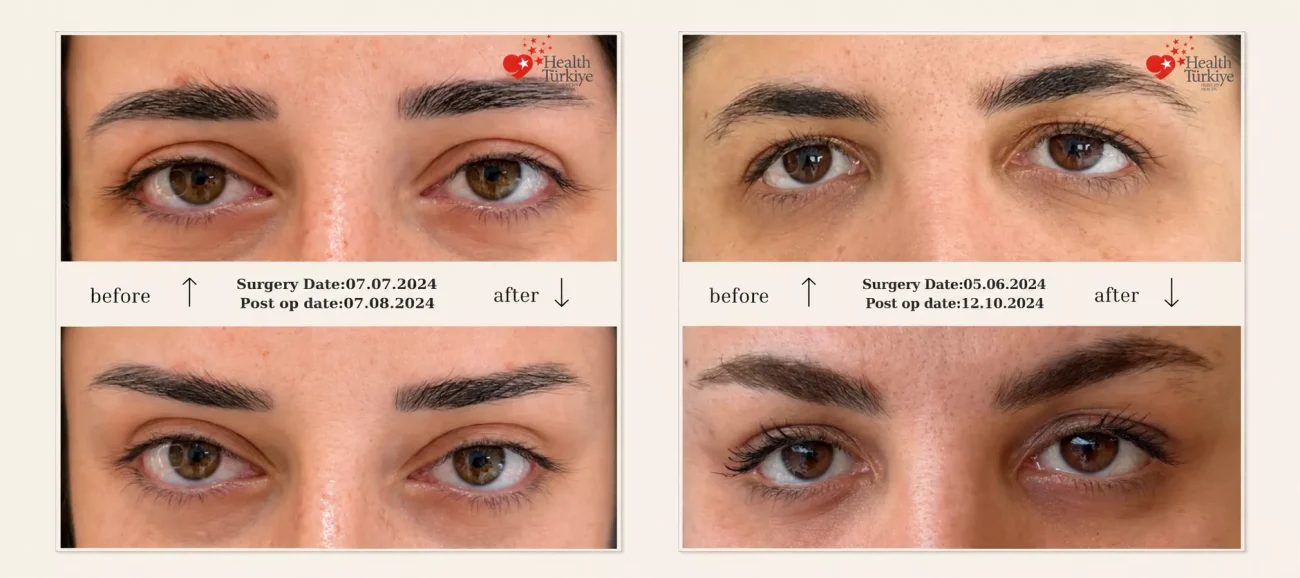
An improvement in brow position can be visible soon after surgery, but early swelling may temporarily affect the appearance. The result becomes more refined over the following weeks and months. An endoscopic brow lift can provide a long-lasting change, but it does not stop ageing. Genetics, skin quality, sun exposure, smoking, weight changes, and lifestyle can influence how the result develops over time.
Planning an Endoscopic Brow Lift in Istanbul
When considering an endoscopic brow lift in Istanbul, patients should look beyond price alone. Important points include the surgeon’s training and experience with brow-lift techniques, the quality of the operating facility, the anaesthesia plan, the clarity of the proposed procedure, realistic before-and-after expectations, and access to follow-up care. A detailed consultation should explain why a particular technique is recommended and what support is available throughout recovery.
Frequently Asked Questions
Is an endoscopic brow lift the same as eyelid surgery?
No. A brow lift repositions the brow and forehead tissues, while blepharoplasty treats the eyelids. Some patients benefit from one procedure, and others may need a combination.
Will the scars be visible?
The incisions are generally short and placed in or near the hair-bearing scalp. All surgery creates scars, but careful placement and proper healing can help keep them discreet.
When can I return to work?
Many patients return to non-strenuous work in approximately 10–14 days. The timing may be longer when additional procedures are performed or when swelling and bruising persist.
Are the results permanent?
The repositioned tissues can provide long-lasting improvement, but no facial rejuvenation procedure permanently stops ageing.
Can an endoscopic brow lift look natural?
Yes, when the brow is elevated conservatively and the plan respects the patient’s natural anatomy. The goal is usually a refreshed appearance rather than an obviously operated look.
Why Choose Us?
At Op. Dr. Yıldız Acar Ebcim’s clinic, each treatment plan is based on a detailed facial evaluation, individual anatomy, and realistic goals. Our approach focuses on balanced, elegant facial rejuvenation, clear communication, and attentive care before and after surgery. The recommended procedure is tailored to the patient rather than applying the same technique to every face.
✨ Rejuvenate your look with expert care and minimal downtime.
Contact us now: +90 506 774 43 02
Location: Bağdat Street, Istanbul