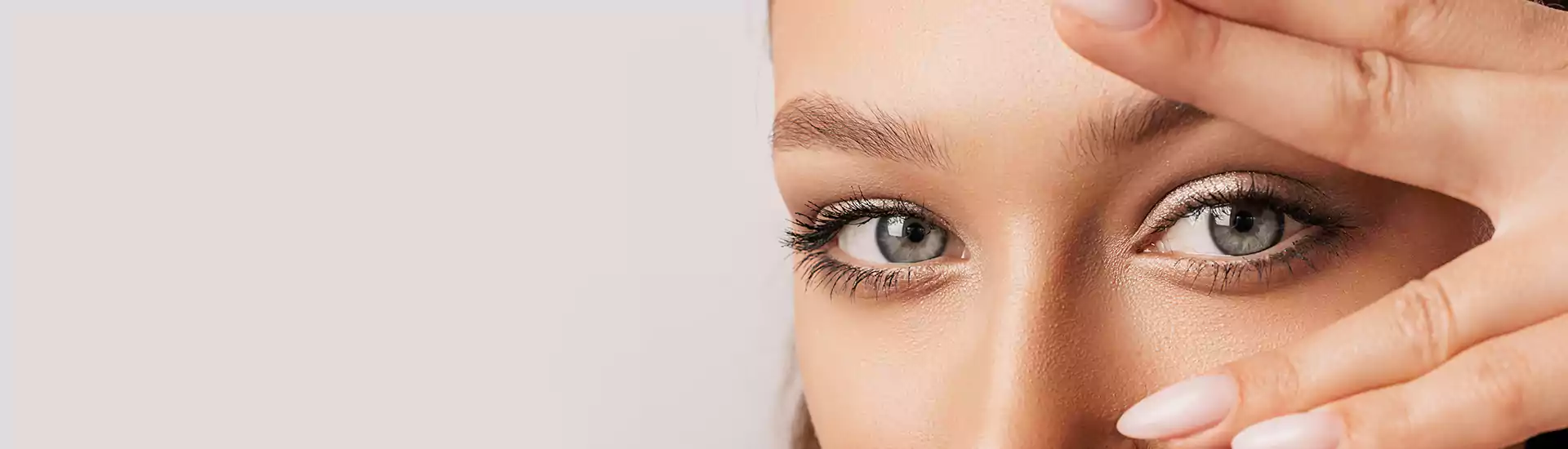
Almond eye is a term you’ll often hear in beauty, fashion, and cosmetic medicine, yet many people aren’t sure what it actually describes. In the simplest sense, it refers to an eye shape that looks elongated with softly tapered inner and outer corners—similar to the silhouette of an almond. Because it creates a naturally lifted, balanced look, “almond eyes” have become a popular reference point in makeup artistry and aesthetic planning.
In aesthetics, however, almond eye is not a “one-size-fits-all ideal.” It’s a descriptive framework used to understand proportions, symmetry, and how the eyelids and surrounding structures interact with the brow, cheek, and temple. Whether someone is born with an almond eye shape or seeks a more almond-like appearance through styling or procedures, the real goal is harmony: making the eyes look refreshed, supported, and proportionate to the rest of the face.
What Is Almond Eye?
An almond eye shape is characterized by an eye opening that appears longer than it is tall, with the iris often partially covered by the upper and lower lids. The inner corner (near the nose) and the outer corner (near the temple) taper gently, forming a soft point rather than a rounded contour. Many almond eyes also have a subtle upward inclination at the outer corner, though an almond shape can be neutral or only lightly lifted.
From a purely visual perspective, almond eyes tend to read as “defined” and “structured” even without makeup. The lid space can vary—some people have a prominent upper lid, while others may have a more hooded lid—but the underlying shape remains elongated and tapered. This is why almond eye is often referenced in makeup tutorials: it’s a versatile shape that suits many liner styles and shadow placements.
Importantly, almond eye is a descriptive term, not a diagnosis or a universal beauty standard. In real faces, eye shapes exist on a spectrum. Someone may have almond eyes with hooding, almond eyes with a deeper set orbit, almond eyes with a downturned tilt, or almond eyes paired with epicanthal folds. The almond descriptor simply focuses on the outline and proportion of the eye opening.
What Does Almond Eye Mean In Aesthetics?
In aesthetic analysis, almond eye typically signals a balanced relationship between several features: the eyelid margins, the canthal corners (inner and outer corners), the lower lid support, and the brow-to-lid distance. Professionals may use “almond eye” as a shorthand to describe an eye that appears youthful, alert, and well-supported—because the outer corner doesn’t look droopy, and the lower lid doesn’t look heavy or pulled down.
That said, modern aesthetics aims for individualized harmony, not copying a template. The “almond” concept is often used to communicate a direction rather than a fixed endpoint. For example, a patient might say, “I want my eyes to look more lifted,” and the practitioner might translate that into a plan that supports the outer corner, softens heaviness, or improves symmetry—without necessarily trying to reshape the eye into a dramatic cat-eye look.
In practice, almond eye meaning in aesthetics often involves these considerations:
Outer corner position: Whether the lateral canthus (outer corner) sits neutral, lifted, or slightly downturned relative to the inner corner.
Lower lid support: A smooth lower lid contour can make the eye look more open and rested.
Upper lid drape: Hooding or lid laxity can change how “almond” the outline appears.
Brow and temple structure: The brow tail and temple volume strongly influence whether the eye looks lifted.
Symmetry and proportion: Subtle differences between the eyes are normal, but aesthetic planning may address noticeable imbalance.
The key point is that almond eye in aesthetics is less about forcing a shape and more about optimizing the support and framing around the eye. Sometimes that’s achieved with styling and skincare. Other times, it’s approached through non-surgical treatments or surgical techniques—always ideally tailored to anatomy, ethnicity, age, and personal preference.
Key Features That Define Almond Eyes
Although real-world anatomy varies widely, almond eyes usually share several recognizable traits. Understanding these helps you identify the shape accurately—especially because many people confuse almond eyes with round eyes, hooded eyes, or purely “upturned” eyes.
One of the most defining features is the tapered corners. Round eyes tend to have a more circular opening and show more sclera (the white of the eye) above or below the iris. Almond eyes typically show less sclera around the iris, with the lids hugging the iris more closely. The overall outline looks sleek rather than circular.
Another common feature is proportion. Almond eyes typically appear horizontally longer, which creates a naturally elegant line. This doesn’t mean the eyes are “big” or “small”—size and shape are different. Someone can have large almond eyes or smaller almond eyes; the almond description refers to outline and balance rather than scale.
The eyelid fold can also vary. Some almond eyes have a visible crease and generous lid space; others are hooded, where a fold of skin rests over the crease. Hooding can visually reduce lid space but doesn’t eliminate the almond outline. Similarly, deep-set almond eyes sit further back in the eye socket, creating more shadowing around the orbital area, especially under the brow bone.
Finally, many almond eyes have a slight lift at the outer corner, though not always. If the outer corner sits noticeably higher than the inner corner, the eye may be described as upturned as well. If it sits lower, it may be downturned. You can have almond eyes that are neutral, upturned, or downturned—the almond shape can coexist with different tilts.
Almond Eye vs. Cat Eye: What’s The Difference?
In everyday conversation, almond eye and cat eye are often used interchangeably, but in aesthetics they describe different ideas. Almond eye is primarily an eye shape—an outline and proportion that can be naturally present. Cat eye, on the other hand, is typically an aesthetic effect: a more pronounced lift and elongation, especially at the outer corner.
A cat-eye look can be created with makeup, styling, or aesthetic techniques, but it implies a stronger lateral lift than the classic almond shape. Almond eyes can look soft and balanced, while cat eye tends to look more dramatic and “pulled” toward the temples. That’s why some people with naturally almond-shaped eyes still choose winged eyeliner: it enhances the natural elongation and makes it read more “cat-like.”
In aesthetic procedures, the distinction matters because over-lifting can look unnatural if it doesn’t match facial structure. A subtle refinement may aim to restore support and a gentle almond-like contour, while a more dramatic request aims for a cat-eye effect. The best outcomes usually focus on facial harmony—considering the brow tail, temple volume, cheek support, and skin quality—so the result looks intentional and cohesive rather than isolated to the eyelid.
If you’re trying to describe your goal clearly, it helps to differentiate these concepts: almond eye is “balanced and elongated,” while cat eye is “more lifted and elongated.” Even then, every face has different limits and optimal directions for lift.
How Almond Eye Is Achieved Or Enhanced In Aesthetic Practice
People seek an almond-eye appearance for different reasons: some want a brighter, more rested look; others want a gentle lift; and some want improved symmetry. The approach depends on whether the concern is related to skin laxity, eyelid anatomy, brow position, volume loss, or structural support.
Non-surgical approaches often focus on support and framing rather than “changing” the eye. For example, improving skin texture around the eyes, addressing fine lines, or reducing under-eye hollowing can make the eye look more open and defined—helping the almond outline read more clearly. Similarly, adjusting brow support or temple volume can subtly lift the lateral frame of the eye, which can mimic an almond-like balance without directly altering the eyelid.
In other cases, a surgical approach may be considered when there is significant hooding, lid laxity, or structural droop at the outer corner. Surgical techniques can vary widely and should be individualized based on anatomy, eyelid position, and long-term support. A responsible plan considers not only the immediate change but how tissues age over time, because the eye area is delicate and small changes can have a big visual impact.
No matter the method, the aesthetic principle is consistent: almond eye enhancement is usually about restoring or creating a clean, supported contour—where the lids frame the iris naturally, the outer corner doesn’t appear pulled down, and the surrounding structures (brow, temple, cheek) look harmonious.
Here’s the one place in this article where we’ll answer a question with bullet points, as a quick practical guide:
If your goal is “more open eyes,” focus on lid heaviness, lash line definition, and under-eye support rather than extreme lifting.
If your goal is “a subtle lift,” consider the lateral brow tail and temple support because they strongly influence the outer corner.
If your goal is “better symmetry,” assess both eyes in relaxed expressions; tiny asymmetries are normal, but consistent differences may be addressed with tailored techniques.
If your goal is “a cat-eye effect,” clarify that you want a stronger outer-corner lift than a standard almond shape and ensure it suits your facial structure.
If your goal is “natural results,” prioritize balance and tissue support over dramatic changes, especially in the delicate eyelid region.
The most important takeaway is that almond eye enhancement is not just about the eyelids. The eye is framed by a three-dimensional architecture—brow, orbit, cheek, and temple—and the most natural-looking results respect that full structure.
Makeup And Styling Tips That Complement Almond Eyes
Even though almond eye is often discussed in clinical aesthetics, everyday styling can also emphasize the shape beautifully. Almond eyes are famously adaptable because the elongated outline supports many liner and shadow techniques without overwhelming the eye.
Eyeliner is the most common tool to enhance the almond silhouette. A thin line close to the lashes can sharpen definition, while a subtle wing can elongate the outer corner and create a lifted impression. The key is proportion: a wing that’s too thick or too long can pull attention away from the natural structure and make the eye look heavier rather than lifted.
Eyeshadow placement also matters. Almond eyes often look best when depth is placed slightly above the crease and blended outward, following the natural direction of the eye. This maintains the elongated line and avoids rounding the shape. If the eye is hooded, focusing shadow slightly higher and keeping shimmer on the mobile lid can help maintain openness without emphasizing the hood.
Lashes and brows complete the frame. A lifted lash curl and mascara focused on the outer third can lengthen the eye. Brow shaping—especially the brow tail—can subtly influence how lifted the eye looks. A brow tail that drops too low can visually weigh down the outer corner, while a slightly elevated tail can complement an almond contour. The goal is not to chase a trend, but to create balance between brow angle, lid space, and eye tilt.
Finally, lighting and skincare make a noticeable difference. Hydration, gentle brightening around the inner corners, and addressing under-eye darkness can make almond eyes look even more defined and awake. This is why “almond eye” in aesthetics often overlaps with “refreshed eye area”—the perception of openness is as much about skin quality and support as it is about shape.
About the Physician
I am Op. Dr. Yıldız Acar Ebcim. In my Kadıköy clinic, I carefully analyze each patient’s facial anatomy to achieve the most natural and suitable results for almond eye aesthetics.
Contact & Appointment
If you would like to learn more about almond eye aesthetics and determine together which eye form best suits your face, we welcome you to our clinic:
Aşağıda yer alan WhatsApp hatlarımız üzerinden, tüm sorularınız için hızlı ve güvenilir bir şekilde bize ulaşabilirsiniz.
📱 Türk Ziyaretçiler İçin WhatsApp 🌍 International WhatsApp Line