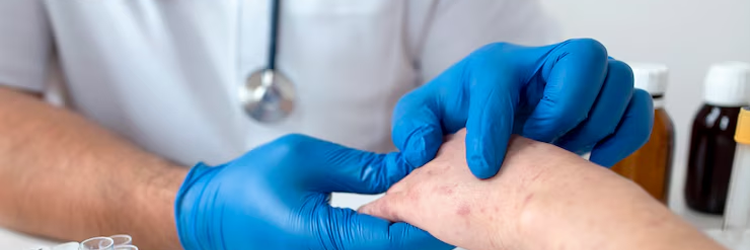
For most people, the best first doctor to see for xanthelasma is a dermatologist, ideally one who regularly performs procedural treatments. Dermatologists are trained to distinguish xanthelasma from look-alike eyelid lesions and can offer a range of removal methods such as laser-based approaches, electrocautery, chemical techniques, or minor excision—chosen according to plaque size, thickness, your skin type, and pigment risk. If your plaques sit on the eyelid skin (not right on the lash line) and your main goal is cosmetic removal with minimal downtime, dermatology is often the most direct starting point.
However, if your xanthelasma is very close to the eyelid margin, sits near the inner corner, or you’re worried about eyelid shape and function, an oculoplastic surgeon (an ophthalmologist specialized in eyelids and periocular surgery) can be the safest route. Oculoplastics focuses on preserving eyelid position and closure while achieving a good cosmetic result, which matters because even small changes can affect the eye area’s symmetry and comfort. A plastic surgeon with strong eyelid experience can also be appropriate—especially for thicker plaques where surgical excision is preferred—so the key is not only the specialty label, but how often the doctor treats xanthelasma and how well they explain risks like scarring, pigment change, and recurrence.
How To Choose Between Dermatology, Oculoplastics, And Plastic Surgery
A practical way to choose is to match the specialist to the main “risk” in your case: skin-related risks (pigment change, texture, scarring patterns) versus eyelid-function risks (lid pull, contour changes, dryness). If your plaques are superficial and sit away from the lash line, a dermatologist who routinely removes xanthelasma is usually an excellent fit because they can tailor the technique to your skin type and minimize post-inflammatory hyperpigmentation—especially important if you’re prone to dark marks after irritation. Dermatology practices also often have multiple device-based options, which can be helpful for carefully targeting small plaques.
If plaques approach the lash line, are positioned in areas where eyelid anatomy is complex, or if you’ve had prior eyelid surgery or significant dry eye, oculoplastics often becomes the preferred choice because it prioritizes eyelid mechanics and safety around the eye. For larger, thicker, or recurrent plaques where a more definitive excision is needed, a plastic surgeon with strong periocular experience may be ideal, particularly if they plan incision placement thoughtfully within natural eyelid creases. No matter which path you choose, look for someone who treats xanthelasma frequently, discusses realistic outcomes (including recurrence), and explains aftercare clearly—because eyelid healing and sun protection heavily influence the final result.
What To Expect At Your Appointment
Most visits begin with a close exam of the plaques: their size, thickness, exact location (upper vs. lower lid), and proximity to the lash line and inner corner. Diagnosis is usually clinical—meaning it’s based on appearance and examination—rather than requiring a biopsy, unless something about the lesion looks atypical. The doctor will also assess your eyelid skin quality, any laxity, and how your lids close, because these details affect which treatment is safest and which results will look most natural.
After confirming the diagnosis, the clinician will outline treatment options and the tradeoffs of each method in your specific case. You should expect a discussion about downtime (redness, swelling, crusting), risks (pigment changes, scarring, recurrence), and aftercare (gentle cleansing, avoiding picking, sun protection, and when makeup is safe again). A high-quality consultation ends with a personalized plan—what method is recommended, why it fits your anatomy and skin type, what healing typically looks like day-by-day, and when follow-up is needed.
Why A Medical Check-Up Still Matters
Even when xanthelasma is primarily a cosmetic concern, it can sometimes be associated with elevated cholesterol, triglycerides, or inherited lipid disorders—especially if it appears at a younger age or runs in families. That’s why many clinicians recommend a basic evaluation through a primary care physician (family doctor / internist) who can order a lipid panel and review cardiovascular risk factors such as blood pressure, blood sugar, smoking status, and family history. This isn’t meant to alarm you; it’s a preventive step that can uncover manageable issues early.
It’s also important to keep expectations realistic: improving cholesterol does not reliably “melt away” existing plaques, but it may reduce the chance of developing new ones and supports long-term heart health. If results show significantly abnormal lipids or a pattern suggesting a genetic condition, your primary care doctor may involve an endocrinologist or cardiologist for deeper evaluation and management. In short, removal treats what you see; medical evaluation helps reduce what could be driving it.
When You Should See An Eye Specialist First
If your xanthelasma is extremely close to the lash line, sits near the inner corner (where tissues are tight and delicate), or if you have concerns about eyelid closure, irritation, or dry eye, it’s often wise to start with an oculoplastic surgeon. These cases demand precision because overly aggressive removal can theoretically affect eyelid contour, create a “pulled” appearance, or worsen dryness in susceptible patients. People with prior eyelid procedures, existing eyelid laxity, or significant asymmetry may also benefit from oculoplastic assessment before choosing any removal method.
While xanthelasma itself typically doesn’t cause vision problems, any unusual symptoms—such as persistent eye pain, significant swelling, or changes in eyelid movement—should be assessed promptly. An eye-area specialist can confirm that the issue is confined to the skin and periocular tissues and advise on the safest technique and healing strategy for that location. The goal is not just removal, but maintaining eyelid function and a natural, balanced look.
How To Find The Right Doctor For Xanthelasma Removal
Beyond the doctor’s title, the most important factor is whether they routinely treat xanthelasma and can explain why a specific method fits your lesion type and skin. When contacting clinics, ask what techniques they commonly use for xanthelasma, how they manage pigment changes in darker or easily-marking skin, and what aftercare they recommend to minimize scarring and recurrence. A confident and ethical clinician will also be clear that recurrence can happen—even after excellent treatment—because xanthelasma may return depending on individual biology and risk factors.
It also helps to evaluate communication style and planning. The right doctor will assess both eyelids (even if only one side bothers you), talk about symmetry, outline a realistic timeline for healing, and help you decide between a conservative approach versus a more definitive method. If you feel pressured into a single technique without a clear explanation of alternatives and risks, it’s reasonable to seek a second opinion—especially since eyelid procedures are highly visible and outcomes depend on careful technique and thoughtful aftercare.
Op. Dr. Yıldız Acar Ebcim
Ophthalmologist