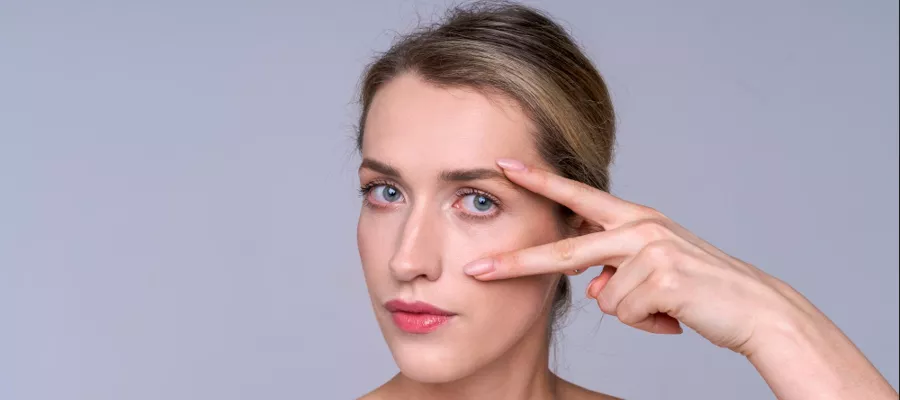
What Is Eye Rejuvenation?
Eye rejuvenation refers to procedures aimed at reducing signs of aging around the eyes and creating a more rested appearance. These procedures are planned according to concerns such as fine wrinkles, crow’s feet, hollowness, dark circles, and skin quality issues. The same eye rejuvenation method is not used for every patient.
This is because the cause of under-eye bags may be different from the cause of under-eye hollowness. Non-surgical options such as Botox, fillers, laser treatments, and mesotherapy may be used. In cases of advanced excess skin, surgical methods may be considered. The appropriate method should be determined after evaluating the anatomy of the eye area and the individual’s expectations.
How Is Eye Rejuvenation Performed?
Eye rejuvenation is performed by applying procedures suited to the individual’s signs of aging, either alone or in combination. First, under-eye hollowness, bags, wrinkles, dark circles, and skin laxity are evaluated. Botulinum toxin applications may be preferred for expression lines. Hyaluronic acid fillers may be used in suitable patients with volume loss.
Laser treatments or different skin procedures may be planned to renew the skin texture. In some individuals, eye rejuvenation may require a combination of several methods. The choice of procedure should be made according to skin type, anatomical structure, and expectations. It is especially important that injection procedures are performed by experienced physicians.
What Are the Eye Rejuvenation Methods?
Eye rejuvenation methods include Botox, fillers, mesotherapy, laser treatments, and eyelid surgery when necessary. Botox is particularly intended to reduce crow’s feet caused by facial expressions. Under-eye filler may reduce the appearance of hollowness and shadowing in suitable patients.
Laser treatments may be preferred for fine lines and irregularities in skin texture. Mesotherapy may be used to support skin quality. If there is significant excess skin or structural under-eye bags, non-surgical procedures may be insufficient. Therefore, the eye rejuvenation method should be selected by identifying the underlying cause of the concern.
Under-Eye Mesotherapy
Under-eye mesotherapy is a non-surgical procedure performed with small injections to support the quality of the skin around the eyes. The ingredients used may vary depending on the treatment protocol and the individual’s needs. The procedure may be planned particularly to support thin and dehydrated-looking skin around the eyes. Some protocols aim to reduce dullness and fine lines.
However, it does not add volume to significant under-eye hollowness in the same way as fillers. It also does not eliminate structural under-eye bags. In an eye rejuvenation plan, mesotherapy may be used alone or together with other methods. The number of sessions is determined according to the product used, skin structure, and desired outcome.
Laser Eye Rejuvenation
Laser eye rejuvenation is a method aimed at reducing fine wrinkles and signs of aging in the skin texture around the eyes. Laser energy is applied in a controlled manner to support the skin’s renewal process. Fractional and other laser technologies may be selected according to the individual’s skin characteristics. Recovery time may be short with milder treatments.
With ablative lasers, redness, sensitivity, and recovery time may be more pronounced. Recovery after CO2 laser treatment may take up to approximately two weeks. When selecting a laser for eye rejuvenation, skin tone and susceptibility to pigmentation should be evaluated. Protecting the eyes with appropriate protective devices is also important for treatment safety.
Under-Eye Filler
Under-eye filler is an injection procedure aimed at reducing under-eye hollowness and the shadowing associated with it in suitable patients. Products containing hyaluronic acid are generally used. The goal is not to overfill the under-eye area but to soften the transition between the under-eye area and the cheek. This can make the dark appearance caused by hollowness less noticeable.
However, filler alone may not be sufficient for dark circles caused by pigmentation. Individuals with significant under-eye bags may also not always be suitable candidates. Fillers used for eye rejuvenation can carry serious risks such as vascular occlusion. Therefore, the procedure should be performed by an experienced physician.
Crow’s Feet Botox
Crow’s feet Botox is applied to temporarily reduce lines that develop at the outer corners of the eyes due to facial expressions. Botulinum toxin reduces the movement of the relevant muscles in a controlled manner, helping the lines appear softer. The procedure is generally brief, and return to daily activities is usually rapid.
Initial changes may begin to become noticeable within a few days for most people. The time required for the results to become fully apparent may vary from person to person. The effect generally lasts around three to four months. Botox is particularly preferred for dynamic wrinkles that become more noticeable with facial movements. To preserve natural facial expressions, the dose and injection points should be individually determined.
How Can Under-Eye Dark Circles Be Reduced?
Under-eye dark circles can be reduced when treatment is selected according to their cause, but not every type of dark circle can be treated with the same method. The dark appearance may result from pigmentation, visible blood vessels, thin skin, or under-eye hollowness. Allergies, irregular sleep, and lifestyle habits may also make the appearance more noticeable. In cases of shadowing caused by hollowness, fillers may be considered for suitable patients.
For pigmentation-related concerns, different skin treatments and laser procedures may be preferred. Sun protection is also important for preventing worsening of color irregularities. When preparing an eye rejuvenation plan, the underlying cause of the dark circles should first be identified. A single procedure does not provide the same result for every type of under-eye dark circle.
How Can Under-Eye Bags Be Reduced?
Under-eye bags may be reduced with non-surgical methods or treated with eyelid surgery depending on their underlying cause. In cases of temporary swelling, improving sleep, managing allergies, and adjusting lifestyle habits may help improve the appearance. However, persistent prominence of the fat pads may be a structural issue. Botox may reduce surrounding wrinkles but does not eliminate true under-eye bags.
Fillers may camouflage certain areas of hollowness but may not be suitable in cases of significant under-eye bags. Lower eyelid surgery may be considered for advanced under-eye bags. Therefore, when planning eye rejuvenation, it should be determined whether the bags are caused by fat, edema, or skin laxity.
How Can Eye Wrinkles and Crow’s Feet Be Reduced?
Eye wrinkles and crow’s feet may be reduced with Botox, laser treatments, or combination procedures depending on the type of wrinkle. Botulinum toxin is one of the commonly used options for dynamic crow’s feet that become more noticeable when smiling. Laser treatments targeting skin texture may be considered for fine lines that are visible at rest.
Reducing skin dryness and using regular sun protection may also support the care process. A single treatment may not be sufficient for deeper lines. The goal of eye rejuvenation treatment is not to create a completely expressionless appearance. Developing a personalized plan that reduces the appearance of lines while preserving natural facial expressions may provide a more balanced result.
What Are the Non-Surgical Eye Rejuvenation Methods?
Non-surgical eye rejuvenation methods include Botox, hyaluronic acid fillers, laser treatments, and various injection procedures. Botox targets crow’s feet caused by facial expressions. Fillers may help reduce under-eye hollowness in suitable individuals. Laser treatments may be planned for fine wrinkles and skin texture concerns.
Procedures such as mesotherapy may be used to support skin quality. Non-surgical methods generally offer shorter recovery times. However, they cannot completely eliminate true under-eye fat bags or significant excess skin. The choice of eye rejuvenation treatment should be based on the individual’s anatomical needs and expectations.
Recovery Process After Eye Rejuvenation
The recovery period after eye rejuvenation may range from a few hours to several weeks depending on the procedure performed. After Botox, most people can return to their daily activities quickly. Temporary swelling, redness, and minor bruising may occur after fillers or mesotherapy. Redness may last for several days after mild laser treatments.
Recovery after stronger ablative laser treatments may take approximately one or two weeks. After the procedure, it is important to avoid irritating the area and to follow the physician’s aftercare recommendations. Particular attention should be paid to sun protection after laser treatments. Unexpected severe pain or changes in vision require prompt medical evaluation.
When Does Eye Rejuvenation Take Effect and How Long Does It Last?
The onset and duration of eye rejuvenation results vary depending on the method used. Botox effects generally begin to become noticeable within three to seven days. Botulinum toxin results usually last around three to four months. With fillers, the volumizing effect may be visible immediately after the procedure, although time may be needed for swelling to subside.
Laser results may continue to develop over weeks and months as skin renewal progresses. Changes from session-based procedures such as mesotherapy may occur gradually. No eye rejuvenation procedure can completely stop the aging process. The duration of the result is influenced by skin structure, the product used, and lifestyle habits.
Which Method for Which Concern?
| Eye Area Concern | Method That May Be Considered |
|---|---|
| Crow’s feet | Botox |
| Under-eye hollowness | Under-eye filler |
| Fine lines | Laser treatments |
| Skin quality and moisture loss | Mesotherapy |
| Significant under-eye bags | Surgical evaluation |
| Excess skin | Eyelid surgery |
Eye Rejuvenation Prices 2026
Eye rejuvenation prices in 2026 vary significantly depending on the type of procedure, product, number of sessions, and clinic. Depending on the method performed, prices may range from approximately 10,000–70,000 TL. Fractional laser fees may vary across a wider range depending on the treatment area and technology used. These figures are not fixed rates. The most accurate eye rejuvenation price can be determined after an examination, once the individual’s needs and treatment plan have been established.
Frequently Asked Questions
At what age can eye rejuvenation be performed?
There is no single starting age that applies to everyone for eye rejuvenation. The decision to undergo treatment should be based on the individual’s needs rather than age. Genetic under-eye hollowness may appear in some adults at an early age. Crow’s feet may become noticeable at different times depending on facial expression patterns and sun exposure.
Is eye rejuvenation permanent?
Most eye rejuvenation procedures are not permanent, and their effects last for different periods depending on the method used. Botulinum toxin results generally last for several months. Hyaluronic acid fillers are gradually broken down by the body over time. Skin renewal achieved with laser treatments may be maintained for a longer period.
How many sessions are needed for eye rejuvenation?
The number of eye rejuvenation sessions is determined according to the selected method and the individual’s needs. Botox is usually performed as a single treatment, and the result can later be evaluated during a follow-up appointment. Filler treatments can also generally be completed in a single initial session for most patients. If necessary, minor adjustments may be planned after a follow-up evaluation.
Is eye rejuvenation painful?
Eye rejuvenation procedures generally cause a tolerable level of discomfort, although the degree of pain may vary depending on the method. A brief needle-prick sensation may be felt during Botox injections. Sensitivity may also occur during filler and mesotherapy injections. Topical anesthetic creams may be used before the procedure when necessary.
Can swelling and bruising occur after eye rejuvenation?
Temporary swelling, redness, or bruising may occur after eye rejuvenation depending on the method used. Small bruises may develop at injection sites following injectable treatments. Mild edema and sensitivity may occur after filler treatment. Small raised areas after mesotherapy may persist for a short period.
What should be considered after eye rejuvenation?
After eye rejuvenation, the treatment area should be protected and the physician’s personalized aftercare recommendations should be followed. Unnecessary pressure and irritation should be avoided in the treated area during the initial period. Specific instructions provided after injection procedures should be followed. After laser treatment, sun protection and the recommended skincare regimen are important.