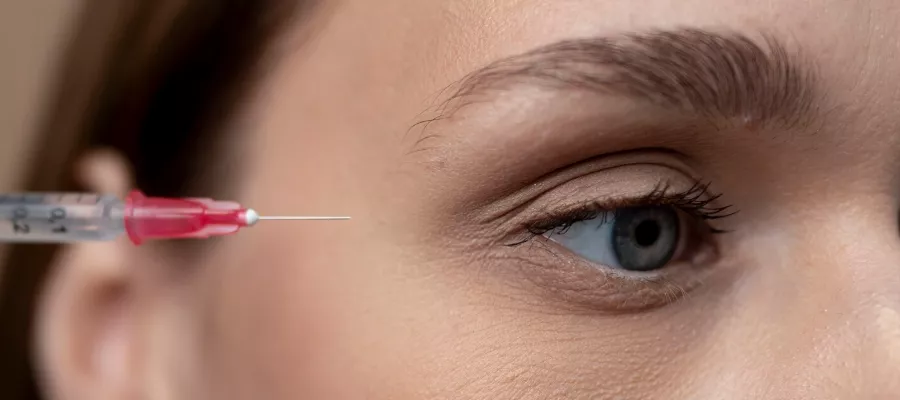
What Is Under-Eye Fat Transfer?
Under-eye fat transfer is a procedure that transfers a person’s own fat to the under-eye area to reduce hollowness. The fat is usually harvested in a small amount from areas such as the abdomen, waist, or thighs. After being purified through special processes, the fat is injected around the eyes using thin cannulas.
The aim is to reduce shadowing and create a more rested appearance. Under-eye fat transfer may look softer and more natural than fillers. Every skin type is different, so results may vary from person to person. Evaluation is based on facial structure and the underlying cause of the under-eye concern.
How Is Under-Eye Fat Transfer Performed?
Under-eye fat transfer is performed through fat harvesting and microinjection steps after an examination. First, facial analysis is carried out and the target areas are marked. The area from which the fat will be taken is prepared with local anesthesia, and a small amount of fat is harvested.
The collected fat is purified through filtration or centrifugation and prepared to a suitable consistency. It is then injected into the under-eye area layer by layer using a thin cannula. The duration of the procedure may vary depending on the extent of the treatment area, the fat harvesting process, and the planned amount of fat. After under-eye fat transfer, a short rest period is usually sufficient, and same-day discharge may be possible.
Who Is Suitable for Under-Eye Fat Transfer?
Under-eye fat transfer is suitable for people with under-eye hollows who have enough donor fat. It may be considered for volume loss that creates shadowing, a tired appearance, and visible blood vessels beneath thin skin. Results may remain more stable in people who do not experience frequent weight changes.
The procedure may be postponed if there is an active infection, bleeding disorder, or uncontrolled chronic disease. If prominent fat bags or advanced skin laxity are present, surgical options may be more appropriate. Under-eye fat transfer may provide more satisfying results for people with realistic expectations who can follow aftercare instructions. Suitability is determined during the examination.
Is Under-Eye Fat Transfer Permanent?
Under-eye fat transfer is not completely permanent, but fat cells that survive after the procedure may remain for a long time. Swelling is common during the first few weeks, making it difficult to see the actual result immediately. Most people notice their results more clearly within 2 to 6 weeks.
During the first 3 months, some of the transferred fat may naturally be absorbed, causing a slight reduction in volume. Fat cells that remain viable within the new tissue may continue to provide volume for a long period. Weight gain or loss may also affect under-eye volume. In some people, an additional session may be planned after the initial result has been evaluated.
What Are the Advantages of Under-Eye Fat Transfer?
It offers a longer-lasting alternative to fillers for people seeking a natural appearance. The procedure uses the person’s own fat tissue, so no foreign filler material is used. Because fat is a soft tissue, transitions may appear smoother and more natural.
Areas such as the forehead, temples, or cheeks may also be enhanced during the same session. Mild contouring may occur in the area where the fat is harvested. Careful planning and controlled fat distribution aim to reduce the risk of irregularities and noticeable asymmetry.
Does Fat Transfer Completely Eliminate Under-Eye Dark Circles?
Fat transfer does not always completely eliminate under-eye dark circles because they can have different causes. When darkness is caused by hollowness and shadowing, restoring volume may create a noticeable improvement. If increased pigmentation is present, improvement in skin color may be limited.
Results may vary from person to person when visible blood vessels are present beneath thin skin. Under-eye fat transfer generally corrects volume loss and can make dark circles appear less noticeable. If needed, it may be combined with laser treatments, peels, or medical skincare. Sleep quality, allergy management, and sun protection are also important for maintaining results.
Differences Between Under-Eye Light Filler and Fat Transfer
Under-eye light filler provides a faster effect, while under-eye fat transfer may offer longer-lasting results. Light filler usually contains hyaluronic acid and is applied using a ready-made product. Fat transfer uses the patient’s own tissue and offers high tissue compatibility.
Light filler generally decreases within 9–18 months, while the portion of transferred fat that survives may remain for longer. Filler can be dissolved when necessary, while fat transfer is usually corrected with a planned touch-up. Under-eye fat transfer also involves a short recovery period in the donor area. The choice is based on skin thickness and the desired outcome.
| Feature | Under-Eye Fat Transfer | Under-Eye Light Filler |
|---|---|---|
| Material used | Patient’s own fat tissue | Hyaluronic acid |
| Donor area | Required | Not required |
| Application | Fat harvesting + transfer | Direct injection |
| Dissolvability | Cannot be directly dissolved | Suitable HA fillers can be dissolved |
| Recovery | May be more extensive | Generally shorter |
| Duration of results | Surviving fat may remain for a long time | Varies depending on the product and the individual |
What Should Be Considered After Under-Eye Fat Transfer?
Cold compresses during the first 48 hours after under-eye fat transfer can help reduce swelling. Keep your head elevated and avoid sleeping face down during the first week. Strenuous exercise, sauna use, and hot showers should be postponed for 5–7 days. Follow your doctor’s advice regarding blood-thinning medications and alcohol.
Makeup can usually be applied gently after 24–48 hours. Protecting the eye area from the sun after the procedure is important. During the first follow-up appointment, symmetry and healing are evaluated. The result becomes clearer once the swelling has fully subsided.
What Are the Risks and Side Effects of Under-Eye Fat Transfer?
The main risks of under-eye fat transfer include swelling, bruising, asymmetry, irregularities, infection, and, rarely, serious vascular complications. Temporary swelling, tenderness, and bruising around the eyes are common after the procedure. Uneven distribution of the injected fat may cause lumpiness or contour irregularities beneath the eyes.
If more or less fat survives than expected, asymmetry between the two eyes may occur. In rare cases, infection, fat necrosis, cysts, or granulomas may develop. Very rare vascular occlusions may lead to serious complications such as vision loss. To reduce these risks, it is important that the procedure is performed by an experienced doctor with detailed knowledge of the anatomy around the eyes.
Recovery After Under-Eye Fat Transfer
Recovery after under-eye fat transfer is generally completed within a few weeks, with swelling gradually decreasing over time. During the first few days, swelling, bruising, and mild tenderness may occur around the eyes. These symptoms usually decrease noticeably within the first week. Patients can often return to their daily activities in a controlled manner after a few days.
| Period | General Recovery Process |
|---|---|
| First 24-48 hours | Swelling and tenderness may be more noticeable |
| First week | Swelling and bruising begin to decrease |
| 2-6 weeks | The under-eye appearance becomes clearer |
| First few months | Fat survival can be assessed more accurately |
Under-Eye Fat Transfer Prices 2026
In 2026, under-eye fat transfer prices in Turkey range from approximately TRY 50,000 – TRY 85,000. Prices may vary depending on the area from which the fat is harvested, the preparation method, the type of anesthesia, and the extent of the procedure. This range is typical for single-session under-eye treatments performed with the nano fat technique. Package prices may increase depending on fat harvesting, fat preparation, anesthesia, and hospital use.
Frequently Asked Questions
Is Under-Eye Fat Transfer Painful?
Under-eye fat transfer is generally not painful because local anesthesia or sedation is used. During the procedure, patients may mainly feel pressure and mild pulling. The area from which the fat is harvested may remain tender for one or two days.
Cold application and simple pain relievers recommended by the doctor are usually sufficient. Mild aching during the first night may be normal in people with a low pain threshold. If increasing pain, redness, or fever develops after under-eye fat transfer, medical evaluation is required. A return to light daily activities may be possible within a short time, although swelling and bruising around the eyes may continue for several days.
When Does Swelling Go Down After Under-Eye Fat Transfer?
Swelling after under-eye fat transfer decreases noticeably within 3–7 days in most people. Swelling may increase during the first 24 hours, which is considered an expected response. Bruising usually fades within a week and can often be covered easily with makeup.
Cold compresses and keeping the head elevated can help reduce swelling. Hot showers, strenuous exercise, and alcohol may prolong swelling during the first week. The final appearance after under-eye fat transfer becomes clearer within 4–6 weeks. If swelling increases on one side or firmness develops, a medical examination is important.
How Many Sessions of Under-Eye Fat Transfer Are Needed?
Under-eye fat transfer is usually performed in a single session, although an additional session may sometimes be required. Since some of the transferred fat may be absorbed during the first few months, a slight loss of volume may occur. The doctor may anticipate this and plan a slightly greater amount of volume in a controlled manner.
If a second session is considered, it is generally performed after 4–6 months. Repeat under-eye fat transfer may be preferred in cases of asymmetry or insufficient volume. For very hollow under-eye areas, two sessions may create a more balanced and natural result. If sufficient donor fat is available, a touch-up procedure can be planned more easily.