

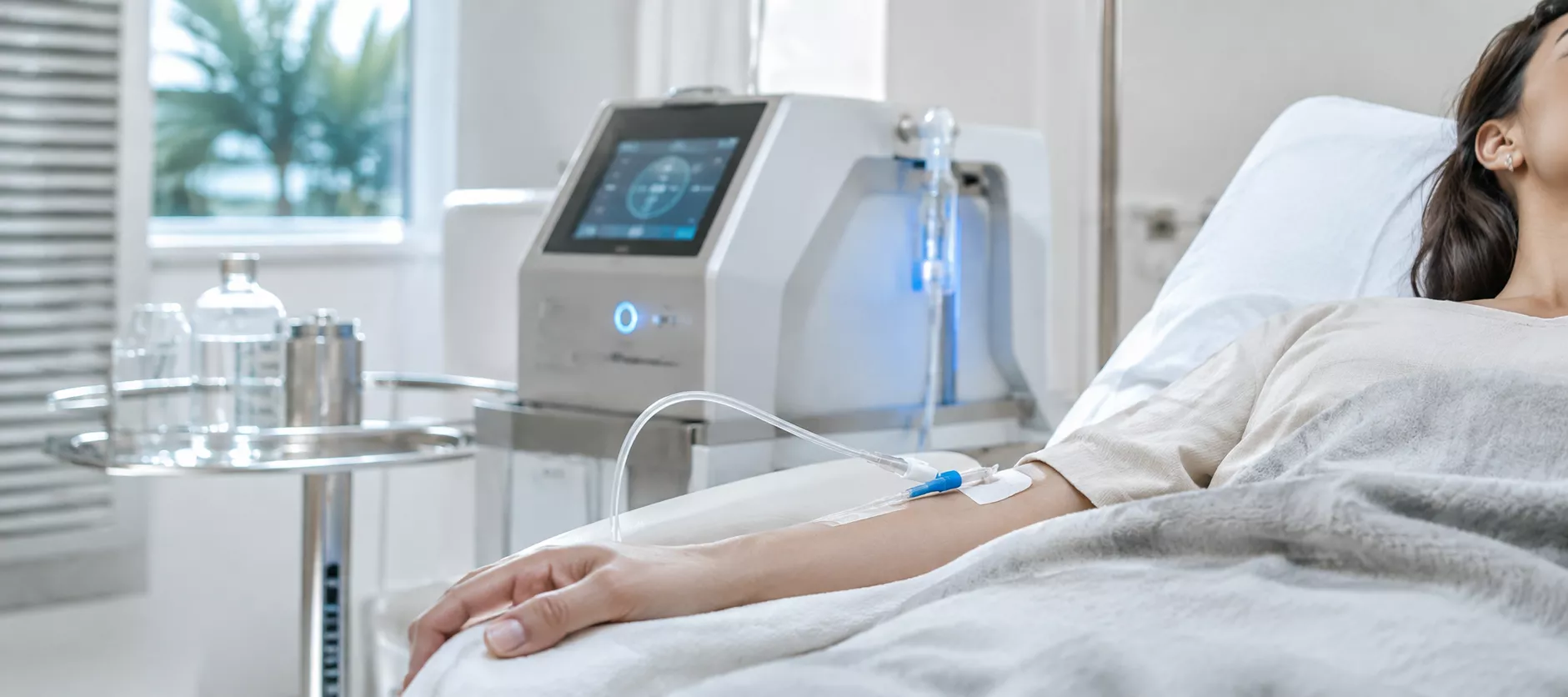
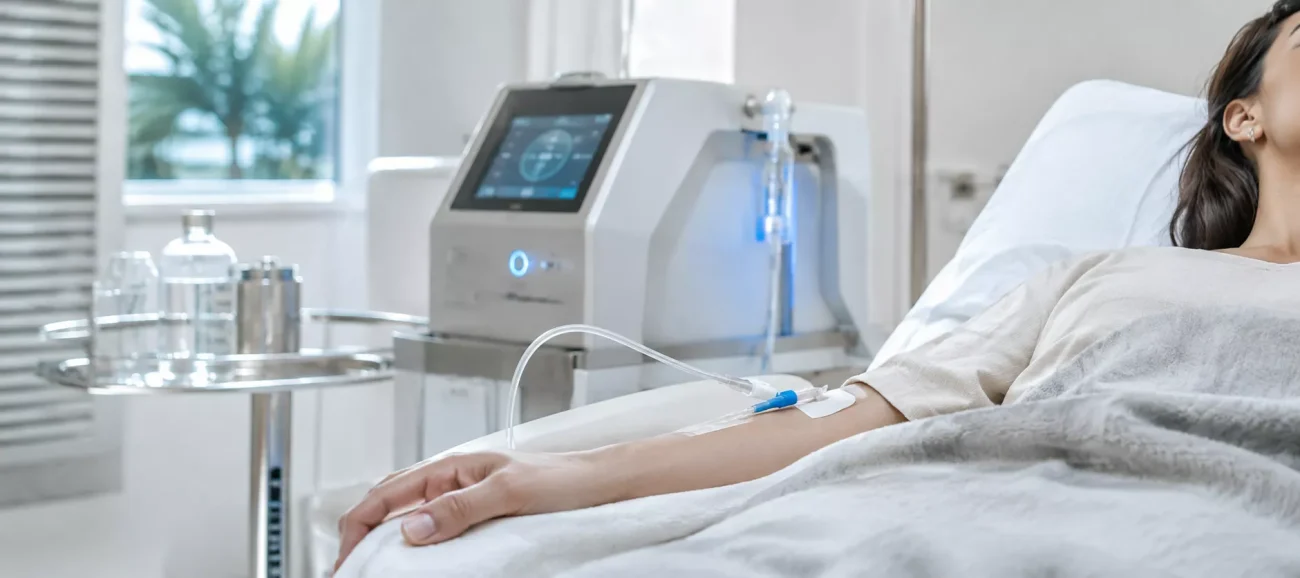
The purpose of ozone therapy is to support existing treatments by influencing certain biological processes. However, its effectiveness has not been scientifically proven for every disease. The expected benefits should be evaluated together with the application method and the patient’s health condition.
What Is Ozone Therapy?
Ozone therapy involves administering ozone gas produced from medical oxygen to the body or specific tissues using controlled methods. In Turkey, it is classified as a traditional and complementary medical practice. Ozone is an O₃ molecule consisting of three oxygen atoms. The oxygen used for breathing, on the other hand, has an O₂ structure. These two gases have different chemical properties and produce different effects in the body.
Medical ozone is produced from pure medical-grade oxygen using specialized devices. During treatment, the gas concentration, application method, and exposure duration are regulated according to specific standards. The strong oxidizing properties of ozone may trigger certain biological reactions in cells. However, the occurrence of these reactions does not necessarily mean that a disease has been cured. In Turkey, ozone treatments must be performed by certified physicians at authorized healthcare facilities.
How Is Ozone Therapy Performed?
Ozone therapy can be performed using different methods depending on the patient’s health condition and the purpose of treatment. One of the most widely known techniques involves treating blood collected from the patient with ozone before returning it to the body. In other applications, the ozone-oxygen mixture is administered directly to a targeted tissue or body cavity. Each method has different treatment durations, potential risks, and areas of use.
Major Ozone Therapy
Major autohemotherapy involves collecting a specific amount of blood from the patient, treating it with an ozone-oxygen mixture, and returning it through an intravenous line. A sterile, closed system is used for the procedure. The blood is exposed to the gas mixture in a specialized treatment set. The treated blood is then returned to the patient. Major ozone therapy does not involve injecting ozone gas directly into a vein. Direct intravenous administration of ozone gas may cause serious complications, including gas embolism.
Minor Ozone Therapy
Minor autohemotherapy involves collecting a small amount of blood from the patient, treating it with ozone, and injecting it into a muscle. Less blood is used compared with the major technique. However, the two procedures differ in their administration routes and effects on tissues. The potential effects of minor ozone therapy on the immune system are being investigated. Nevertheless, there is insufficient strong clinical evidence showing that its routine use prevents diseases.
Local Ozone Application
In local ozone therapy, the gas mixture is directed toward specific tissues or body areas. Intra-articular injections and treatments targeting the area around wounds fall into this category. Ozone injections are being studied particularly for muscle and joint conditions. In certain spinal disorders, ozone administration into the intervertebral disc under imaging guidance has also been investigated. These procedures require anatomical knowledge and specialized techniques. Local ozone therapy is not a suitable option for every type of pain.
Ozone Bagging and Rectal Administration
In the ozone bagging technique, the targeted body area is exposed to the gas mixture inside a specialized bag. This method is primarily being investigated in wound care. Rectal administration involves introducing an ozone-oxygen mixture into the final section of the large intestine using a specialized system. Scientific evidence regarding the effectiveness and safety of both techniques remains limited. Therefore, decisions about these applications should be considered alongside existing medical treatment options.
What Are the Benefits of Ozone Therapy?
The potential benefits of ozone therapy are being investigated in areas such as pain reduction and support for certain tissue responses. However, study findings are not consistent across all diseases and application methods.
Researchers are examining the effects of ozone on cellular defense systems, inflammation-related mechanisms, and oxidative stress. Oxidative stress is a condition associated with the balance between oxidants and antioxidants within cells.
Research on ozone therapy has evaluated the following potential effects:
-
Reduction of symptoms in certain types of muscle and joint pain
-
Relief of pain and movement difficulties in knee osteoarthritis
-
Effects of specific applications on pain caused by a herniated disc
-
Biological processes associated with wound healing
-
Cellular changes related to the regulation of inflammatory responses
Some of these findings were obtained from studies involving small patient groups. Research methods and ozone doses also vary between studies.
Claims that ozone therapy regenerates all organs, removes toxins from the body, or prevents diseases have not been scientifically verified.
What Conditions Is Ozone Therapy Used For?
Ozone therapy is being evaluated as a complementary option for certain musculoskeletal disorders and wound-related conditions. However, the level of scientific evidence differs for each area of use.
Lumbar and Cervical Disc Herniation
Ozone therapy for lumbar disc herniation has been investigated particularly through injections administered into the disc. Some studies have reported improvements in pain intensity and daily mobility. However, intradiscal ozone injection and major autohemotherapy are not the same procedure. The results of one method cannot be directly applied to another. Progressive muscle weakness caused by nerve involvement or loss of bladder control requires urgent medical evaluation.
Knee Osteoarthritis and Joint Pain
The effects of intra-articular ozone injections on pain associated with knee osteoarthritis are being studied. Short-term symptom relief has been reported in some patients. However, these findings do not demonstrate that damaged cartilage has regenerated. Exercise, weight management, and appropriate medical treatments remain among the primary approaches.
Fibromyalgia and Muscle Pain
Fibromyalgia is a chronic condition characterized by widespread body pain, fatigue, and sleep disturbances. The effects of ozone applications on certain symptoms have been investigated. However, sufficient high-quality evidence supporting its effectiveness in treating fibromyalgia is currently unavailable.
Diabetic Foot Ulcers and Chronic Wounds
The effects of ozone on certain microorganisms and cellular processes in wound tissue are being investigated. However, it has not been conclusively demonstrated that chronic wounds heal faster with ozone therapy. Blood glucose control, circulation assessment, and appropriate wound care are priorities in the management of diabetic foot ulcers. Necessary medical treatment should not be delayed when an infection is present.
Who Can Receive Ozone Therapy?
Ozone therapy may be considered for adults who are exploring complementary treatment options for a specific health condition. Eligibility is not determined solely by age or symptoms. The diagnosis, medications being used, and overall health condition must be assessed together.
Continuing existing medical treatments is particularly important for people with chronic diseases. Ozone therapy should not replace proven medical treatments. There is also insufficient scientific evidence demonstrating that regular ozone therapy provides additional health benefits for individuals without any medical conditions.
Who Should Not Receive Ozone Therapy?
Ozone therapy may carry serious risks in certain diseases and specific health conditions. Therefore, a detailed medical evaluation is necessary before treatment.
Ozone applications may need to be avoided or postponed in the following situations:
-
Glucose-6-phosphate dehydrogenase (G6PD) deficiency
-
Pregnancy
-
Severe anemia
-
Active and severe bleeding
-
Severe uncontrolled hyperthyroidism
-
Severely low platelet count
-
Severe uncontrolled high blood pressure
-
The acute phase of conditions such as heart attack or stroke
-
Serious and unstable cardiovascular diseases
G6PD deficiency is an inherited condition that reduces the ability of red blood cells to protect themselves against oxidative damage. In individuals with this condition, ozone-related blood procedures may cause the breakdown of red blood cells. People taking blood thinners, breastfeeding women, and patients undergoing active cancer treatment also require additional evaluation. Contraindications may vary depending on the selected application method. Ozone therapy should not be started without a medical assessment.
What Should Be Considered Before Ozone Therapy?
Before ozone therapy, the patient’s medical history should be reviewed, and conditions that may prevent treatment should be investigated. The initial assessment covers existing diseases, previous surgeries, and regularly used medications. Blood tests may be performed when necessary. Evaluating G6PD deficiency and blood parameters is particularly important when a blood-based procedure is planned.
The following points should be considered before treatment:
-
All regularly used medications and dietary supplements should be reported to the physician.
-
Any previous allergic reactions should be disclosed.
-
Existing bleeding or blood clotting disorders should be reported.
-
Any possibility of pregnancy should be communicated before the procedure.
-
The potential benefits and risks of the selected treatment method should be understood.
Blood thinners and medications used for chronic conditions should not be discontinued without medical advice. Whether fasting is necessary before the procedure depends on the application method. The same preparation requirements do not apply to every type of ozone therapy.
How Many Sessions of Ozone Therapy Are Needed and How Long Does It Take?
The number of ozone therapy sessions and the duration of each procedure depend on the application method and treatment purpose. Major autohemotherapy procedures may often take approximately 15-30 minutes. However, preparation, intravenous access, and observation may affect the total time required.
Local injections may take less time, while certain specialized procedures require more extensive preparation.
| Ozone Application Method | Procedure Characteristics |
|---|---|
| Major autohemotherapy | Blood collection, ozone treatment, and reinfusion |
| Minor autohemotherapy | Intramuscular injection of a small amount of ozone-treated blood |
| Intra-articular ozone | Injection into the targeted joint |
| Intradiscal ozone | Specialized procedure performed under imaging guidance |
| Ozone bagging | Controlled gas exposure to a specific body area |
| Rectal ozone | Local administration using a specialized system |
There is no single scientifically established ozone therapy session schedule suitable for everyone. Multiple sessions have been used in some research studies. However, this does not mean that every patient requires the same number of treatments. Decisions about continuing treatment should be based on observed clinical outcomes and potential side effects.
What Should Be Considered After Ozone Therapy?
Precautions after ozone therapy depend on the type of procedure performed. Simple applications may not require a lengthy recovery period. Mild tenderness or bruising may occur at the needle insertion site after procedures involving intravenous access. Local injections may also cause temporary pain.
Returning to daily activities after treatment depends on the patient’s general condition and the procedure performed. If an injection has been administered into a joint or intervertebral disc, the physician’s recommendations regarding movement and physical activity should be followed.
Symptoms such as increasing pain, significant swelling, fever, or persistent bleeding should not be considered normal. Medical evaluation is necessary in these situations. Chest pain, shortness of breath, fainting, or sudden weakness requires emergency medical attention.
What Are the Side Effects and Risks of Ozone Therapy?
Ozone therapy may involve risks ranging from mild side effects to serious complications, depending on the application method. Ozone is a powerful oxidizing agent. Incorrect concentrations, inappropriate administration routes, or improper techniques may cause tissue damage.
Pain, bruising, infection, and bleeding may occur during procedures involving injections or intravenous access. Some individuals may experience dizziness or changes in blood pressure. Local applications carry additional risks, including nerve injury and damage to surrounding tissues. These risks are particularly important in deep tissue injections.
Injecting ozone gas directly into a vein may cause gas embolism. Gas embolism occurs when gas inside a blood vessel obstructs blood flow. Inhaling ozone gas can also damage lung tissue, potentially causing coughing, shortness of breath, and chest tightness.
The safety of medical ozone applications depends on more than the quality of the equipment used. The procedure must also be performed using the correct technique by an authorized physician.
When Do the Effects of Ozone Therapy Become Noticeable?
There is no definite timeframe for when the effects of ozone therapy may become noticeable. Outcomes depend on the purpose of treatment and the patient’s health condition. Some studies investigating ozone applications for pain have examined short-term changes. However, meaningful improvement may not occur in every patient.
When evaluating treatment effectiveness, general feelings of relief should not be the only consideration. Pain levels, mobility difficulties, and other symptoms should be compared with their condition before treatment. If no significant benefit is observed, the treatment approach should be reassessed rather than continuing repeated applications over an extended period.
What Are the Differences Between Ozone Therapy, PRP, and Mesotherapy?
Ozone therapy, PRP, and mesotherapy differ in the substances used and their application techniques. Ozone therapy uses an oxygen-ozone mixture. PRP treatment involves platelet-rich plasma obtained from the patient’s own blood.
In mesotherapy, selected substances are administered into the targeted area using fine needles.
| Method | Substances Used | Application Technique |
|---|---|---|
| Ozone therapy | Oxygen-ozone mixture | Blood treatment, injection, or local application |
| PRP | Platelet-rich plasma | Injection into the targeted tissue |
| Mesotherapy | Substances specially prepared for the procedure | Multiple small injections |
The fact that these methods are used in different medical fields does not mean that they can replace one another. The scientific evidence, risks, and intended uses of each treatment must be evaluated separately.
Ozone Therapy Prices 2027
Ozone therapy prices in 2027 may vary depending on the application method, the extent of the procedure, and the planned number of sessions. Major autohemotherapy and local ozone injections do not have the same treatment costs.
The main factors affecting ozone therapy prices include the medical equipment used, procedure duration, and required medical supplies.
Certain procedures may require specialized preparation, imaging guidance, or additional medical assessments. These services can affect the total cost.
There is no single verified ozone therapy price for 2027 that applies to all healthcare facilities. Therefore, presenting unconfirmed price ranges as current treatment fees would be misleading.
When researching the cost per session, it is important to determine which technique will be used and how many procedures are planned. Whether the examination and necessary tests are included in the fee should also be clarified.
In Turkey, ozone therapy is classified as a traditional and complementary medical practice. These treatments are generally not included in the routine reimbursement coverage of the Social Security Institution (SGK).
Frequently Asked Questions
Is Ozone Therapy Painful?
The level of discomfort experienced during ozone therapy depends on the application method. Mild pain may occur during blood collection or injections. Discomfort may be more noticeable during joint and intradiscal procedures.
Does Ozone Therapy Strengthen the Immune System?
There is insufficient clinical evidence demonstrating that ozone therapy definitively strengthens the immune system. Its potential effects on immune cells are being investigated. However, these findings do not mean that ozone therapy provides protection against diseases.
Does Ozone Therapy Cleanse the Blood?
Ozone therapy is not a proven method for cleansing the blood or removing toxins from the body. In major autohemotherapy, blood is treated with an ozone-oxygen mixture. This procedure is not a blood purification treatment like dialysis.
Does Ozone Therapy Help with Weight Loss?
There is insufficient scientific evidence showing that ozone therapy produces lasting weight loss. It is not a weight loss method that directly eliminates fat cells.
Can Ozone Therapy Be Used in Cancer Patients?
Ozone therapy has not been proven to treat cancer or stop its progression. Complementary treatments should not be administered to patients undergoing active cancer treatment without an assessment by their oncologist.
Is Ozone Therapy Used for Eye Diseases?
Ozone therapy is not a standard or scientifically proven treatment for eye diseases. Direct exposure of the eyes to ozone gas may cause irritation. Established diagnostic and treatment methods should remain the primary approach for dry eye, glaucoma, and other eye conditions.
Does Ozone Therapy Provide Permanent Results?
Ozone therapy has not been shown to provide permanent results for every condition. Some studies have reported short-term symptom improvement. However, long-term outcomes remain insufficiently understood.
Can You Take a Shower After Ozone Therapy?
Showering is generally possible after simple ozone applications. However, the condition of the injection site and the technique used should be considered. After deep tissue injections, the physician’s aftercare instructions should be followed.
Can Ozone Therapy Be Performed at Any Age?
Ozone therapy is not routinely recommended for every age group. Safety data are particularly limited for children and older adults. Eligibility should be determined based on the patient’s health condition and the potential risks of the procedure.
Is Ozone Therapy Safe?
Ozone therapy cannot be considered completely risk-free. The application method, concentration, and the patient’s health condition directly influence its safety. The procedure should be performed at an authorized healthcare facility. However, even when the correct technique is used, not all side effects can be prevented.