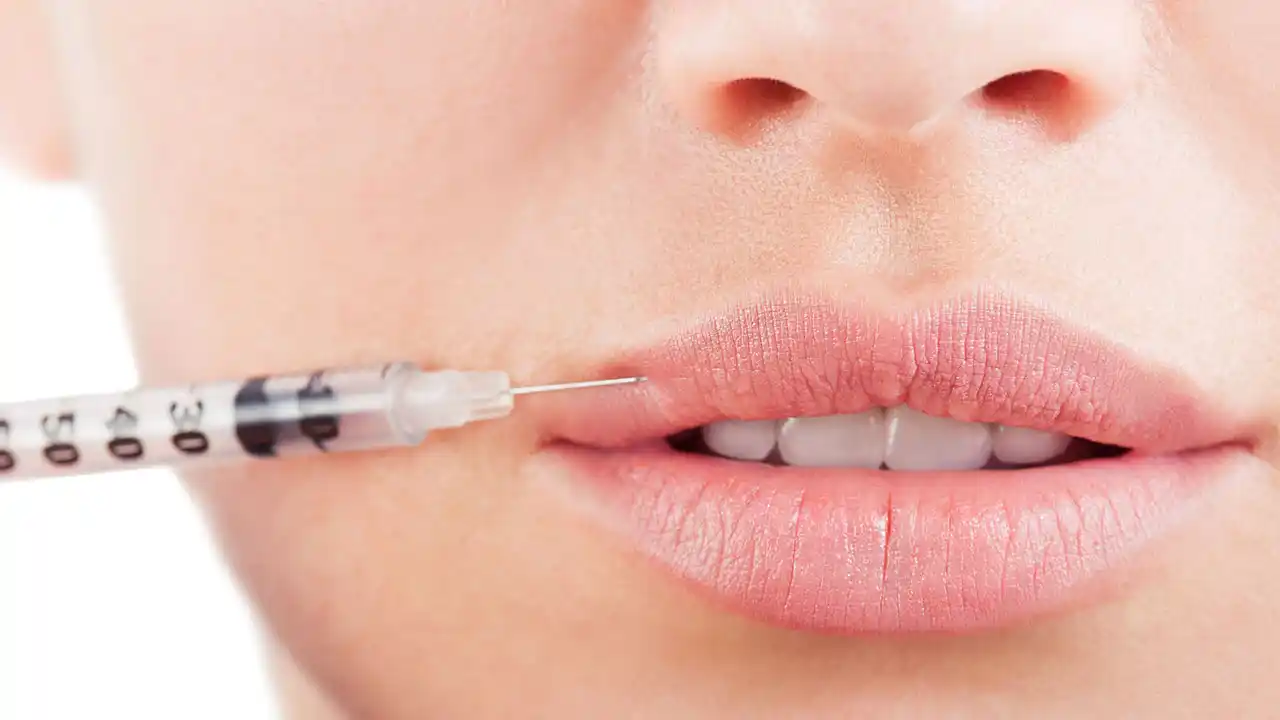
The most important point about filler dissolving is this: Not every filler is the same, and not every filler can be dissolved. When enzyme-based filler dissolving is mentioned, it usually refers to the application of hyaluronidase, which dissolves hyaluronic acid fillers. Therefore, knowing what content the filler was made with is a critical step in terms of safety and results. In this article, we will discuss how filler dissolving is performed, who it is suitable for, what happens during the process, what the risks are, and what should be considered after the procedure.
What Is Filler Dissolving?
Filler dissolving is the process of breaking down hyaluronic acid fillers with the help of an enzyme, making them removable by the body through natural pathways. The enzyme called hyaluronidase breaks hyaluronic acid chains into smaller pieces. This allows filler volume to decrease rapidly. The procedure is sometimes performed to dissolve the filler completely, and sometimes it is preferred to dissolve a very small amount in order to refine the shape. In other words, filler dissolving does not always mean resetting everything; in some cases, the goal is only filler correction and achieving a more natural contour.
Although filler dissolving may bring a single session to mind, in practice the plan varies from person to person. The amount of filler, its placement, how long ago it was applied, the circulation of the area, and the person’s tendency toward edema affect the process. In addition, in sensitive areas such as lip filler dissolving or under-eye filler dissolving, it is necessary to proceed more carefully.
Why Is Filler Dissolved?
The most common reason for needing filler dissolving is dissatisfaction with the result. Excessive volume in the lips, unbalanced fullness in the face, a hard appearance in the chin, or an artificial bump-like feeling on the nose may disturb the person. Another common reason is the filler shifting over time. Especially in the lips, filler migration may appear as overflow above the upper lip line and may change the facial expression.
Lumpiness and irregularity are also among the reasons for filler dissolving. In some people, the filler may be felt as small nodules. Sometimes this condition decreases with massage or over time, and sometimes it becomes permanent. The Tyndall effect, seen as a blue-gray reflection in the under-eye area, also increases the demand for under-eye filler dissolving. A more important topic is suspicion of complications. Findings such as severe pain, sudden paleness, bruising, a feeling of coldness, or changes related to vision require urgent evaluation, and in some cases rapid filler dissolving may be critical.
Which Fillers Can Be Dissolved?
Enzyme-based filler dissolving is usually possible with hyaluronic acid-based fillers. In this group of fillers, the approach of dissolving filler with hyaluronidase often provides effective results. However, calcium hydroxylapatite, polylactic acid, or some products known as permanent fillers do not dissolve with hyaluronidase. Therefore, the content of the filler must be clarified before the procedure.
For people who do not know what their filler is, the evaluation is carried out more carefully. Sometimes the person does not remember which product was applied; sometimes different fillers may have been used in different areas. In such cases, the filler dissolving plan is shaped based on examination findings and risk management. The goal here is not to make a quick decision, but to make the right decision.
How Is Filler Dissolving with Hyaluronidase Performed?
Filler dissolving with hyaluronidase is mostly performed by injection. First, the area is evaluated, the targeted region is determined, and the appropriate dose is planned. After the application, filler volume may sometimes decrease noticeably within hours, while in other cases a gradual change may be seen within a few days. It is normal to expect different speeds depending on the density of the filler and the treated area.
In some cases, the practitioner may prefer to start with small doses and proceed in a controlled way. This approach is especially important in areas with high aesthetic sensitivity, such as lip filler dissolving. Because excessive dissolving may create unwanted hollowness or tissue imbalance. The aim is to move closer to a natural appearance and preserve facial proportion. A similar balance is required in under-eye filler dissolving; since the eye area is both thin and sensitive, proceeding in a measured way instead of excessive intervention may be safer.
How Long Does It Take for Filler Dissolving to Take Effect?
Although the effect of filler dissolving varies from person to person, most people notice a change within the first 24 hours. While some fillers show rapid softening and volume reduction, in some cases the full result may take a few days. Edema, bruising, and regional sensitivity may affect this perception. Especially in the lip area, edema can be more noticeable, making it difficult to read the result clearly in the first days.
Sometimes one session is enough, while sometimes a second session may be needed for fine-tuning. In very dense fillers or in cases where the filler has spread into different layers, gradual dissolving gives a more natural result. If filler will be reapplied after filler dissolving, it is usually a better idea to wait for the tissues to calm down. Rushing may cause the same cycle to repeat.
Is There Pain During the Filler Dissolving Procedure?
Since filler dissolving is performed with a needle, there may be a slight stinging sensation. A more sensitive feeling may be experienced in some areas. Regional numbing methods may be preferred to increase comfort during the application. After the procedure, aching, tightness, or a mild burning sensation lasting a few hours may occur. These symptoms usually decrease in a short time.
In thin-skinned areas such as the under-eye, the likelihood of swelling may be higher. In the lips, both swelling and bruising may be seen more frequently. At this point, whether the person uses products that may have a blood-thinning effect, post-procedure care habits, and skin structure are determining factors.
How Should Care Be After Filler Dissolving?
Care after filler dissolving speeds up healing and reduces unnecessary fluctuations. In the first days, avoiding excessive heat, intense exercise, and activities such as sauna for a short time can be helpful. It is also important not to rub the treated area harshly, not to perform unnecessary massage, and to avoid irritating products.
For people prone to swelling, cold compresses at short intervals may be soothing. However, instead of pressing ice directly onto the skin, it is healthier to apply it gently and intermittently. If there is a tendency to bruise, protecting the area from the sun helps the skin recover faster. Checking the mirror too often in the first days after filler dissolving may also increase stress. The tissue first reacts, then calms down. Knowing these ups and downs helps you make a more accurate evaluation.
Risks and Side Effects of Filler Dissolving
Although filler dissolving is generally known as a safe procedure, it is not risk-free. The most common side effects are swelling, redness, bruising, and sensitivity. Some people may experience itching or temporary raised areas. One of the rarer but important risks is an allergic reaction. Therefore, people with a history of serious allergies must give detailed information to their physician.
Another issue is the possibility of excessive dissolving. Hyaluronidase may temporarily affect not only the filler but also the hyaluronic acid structures naturally found in the skin. This may cause a short-term perception of volume loss in some people. The tissue usually recovers over time, but a controlled dose approach is preferred with this possibility in mind. Filler dissolving should be planned especially carefully in areas that affect facial proportions. The aim is not to remove it quickly, but to correct it in the right amount.
What Should Be Known About Lip Filler Dissolving?
Lip filler dissolving is among the most frequently requested filler correction procedures. Filler overflow in the lips, prominence along the upper lip line, asymmetry, a lumpy feeling, or an artificial appearance create this demand. Since lip tissue is mobile, filler may spread over time and the shape may become distorted. After dissolving, the lips may appear more swollen in the first days, which can mislead the person. The real shape usually appears within a few days.
Gradual dissolving in the lips is often a better strategy. Instead of dissolving too much in one session, approaching the natural form with small corrections gives a more controlled result. If the person is considering having lip filler again, the tissue should be allowed to calm down and the lip borders should become clear again.
What Should Be Known About Under-Eye Filler Dissolving?
Under-eye filler dissolving often comes to the agenda due to the Tyndall effect, a swollen appearance, a bag-like look, or asymmetry. Since the under-eye area is thin, a blue-gray reflection may be seen when the filler remains superficial. In some people, the filler also holds edema and the swollen appearance increases in the mornings. After dissolving, the under-eye area may look more uneven in the first days, but the real result becomes clear as the area calms down.
The under-eye area is a region where even small aesthetic changes affect facial expression. Therefore, under-eye filler dissolving is usually performed with more careful doses. In addition, the problem under the eyes may not always be caused by filler. Pigmentation, hollowness, allergy, or sleep routine can also affect the under-eye appearance. Making this distinction correctly prevents unnecessary dissolving procedures.
Can Filler Be Reapplied After Filler Dissolving?
It is possible to have filler reapplied after filler dissolving, but the correct timing is important. Applying new filler before the area has completely calmed down may increase the risk of edema, irregularity, or application into the wrong layer again. Many people want new filler quickly in order to forget the previous filler appearance. However, a better result comes from resting the tissue and proceeding with a more strategic plan.
If filler will be reapplied, the reason why the problem occurred should first be understood. Factors such as wrong product selection, excessive dose, wrong layer, unsuitable technique, or the anatomical limits of the area may cause recurrence. In this respect, filler dissolving can be seen not only as a correction, but also as an opportunity to reset for a more accurate plan.
Does Filler Dissolving Make Sense?
When performed on the right person, in the right area, and with the right dose, it significantly eases the filler correction process and helps achieve a more natural appearance. The best result comes when the decision to dissolve filler is made not in a hurry, but with a clear evaluation.
If you are considering lip filler dissolving, under-eye filler dissolving, or filler dissolving application in different areas of the face, first clarify the content of the filler and explain your complaint in detail. In aesthetic procedures, good results are the product of the right plan and calm progress rather than quick solutions.
Filler Dissolving Prices 2026
In 2026, filler dissolving prices generally range between 7,000 TL and 18,000 TL.
This price range varies depending on factors such as the area to be treated, the amount of hyaluronidase enzyme to be used, and the experience of the clinic and doctor. In some centers, more comprehensive or premium services may cost up to 28,000 TL. In Turkey, prices are usually calculated per session; if multiple sessions are needed, the total cost may increase.