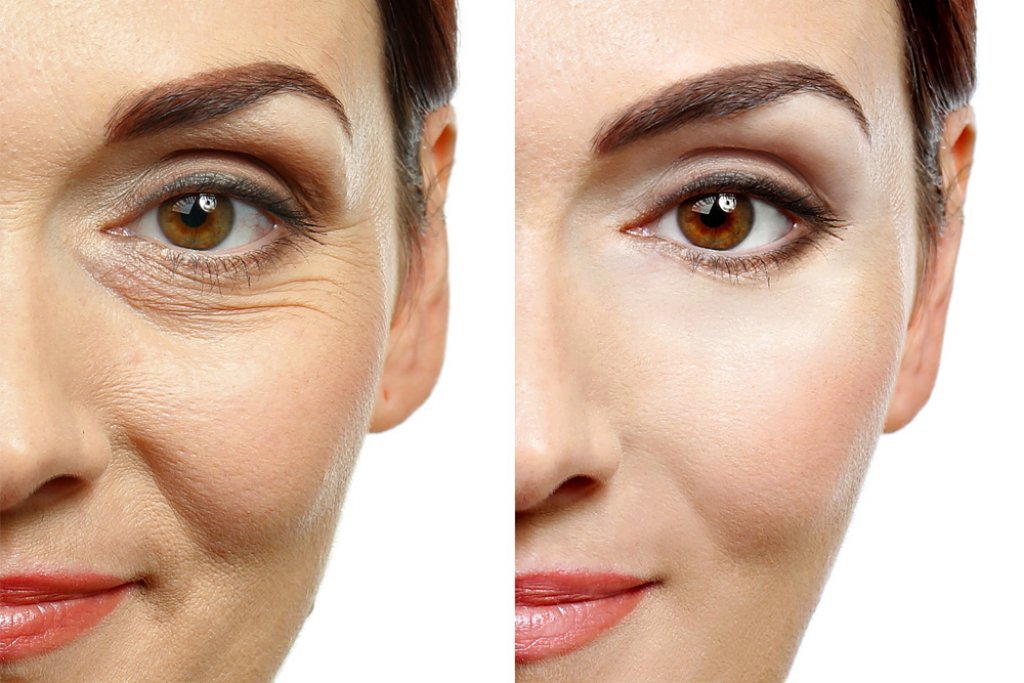
The eyes are one of the most striking and expressive areas of the face. Protecting eye health from both an aesthetic and functional perspective has an important effect on our overall quality of life. Eye aesthetics and surgery are effective methods used not only to correct aesthetic problems around the eyes but also to improve eye health. In this article, I aim to guide you toward having healthy and beautiful eyes by sharing the basic information you need to know about eye aesthetics and surgery, common procedures, and the points you should pay attention to in this field.
What Is Eye Aesthetics and Surgery?
Eye aesthetics and surgery is a medical field that aims to improve the structures around the eyes both aesthetically and functionally. The interventions performed in this field are carried out both for cosmetic purposes and to improve eye functions. Eye aesthetics and surgery include various procedures such as blepharoplasty, eye contour rejuvenation, strabismus surgery, eyelid reconstruction, and orbital surgery.
Application Areas of Eye Aesthetics and Surgery
Eye aesthetics and surgery are used to solve many different aesthetic and functional problems. Here are some common conditions encountered in this field:
- Blepharoplasty (Eyelid Aesthetics): Correction of sagging, bags, and fine lines in the upper and lower eyelids.
- Eye Contour Rejuvenation: Reducing wrinkles, tightening the skin, and correcting volume loss.
- Strabismus Surgery: Correction of strabismus caused by imbalances in the eye muscles.
- Eyelid Reconstruction: Repair of eyelid deformities caused by trauma, tumors, or congenital anomalies.
- Orbital Surgery: Treatment of structural problems in the eye socket, removal of tumors, or correction of eye movement disorders.
Common Eye Aesthetic and Surgical Methods
- Blepharoplasty (Eyelid Aesthetics)
Blepharoplasty is the surgical removal of excess skin, fat, and muscle tissue from the upper and lower eyelids. This intervention provides significant benefits both aesthetically and functionally.
- Upper Blepharoplasty:
- Purpose: Correction of sagging upper eyelids and removal of excess skin and fat tissue.
- Procedure: Incisions are made along the natural eyelid crease, excess tissue is removed, and the remaining tissue is reshaped.
- Advantages: A younger and more dynamic appearance, with an expanded visual field.
- Lower Blepharoplasty:
- Purpose: Correction of under-eye bags, puffiness, and dark circles.
- Procedure: Thin incisions are made in the lower eyelids, and excess fat and skin are removed or repositioned.
- Advantages: A more rested and youthful appearance, with reduced signs of fatigue around the eyes.
- Eye Contour Rejuvenation
Eye contour rejuvenation is an application in which various methods are used to tighten the skin around the eyes, reduce wrinkles, and correct volume loss.
- Fillers:
- Purpose: To provide a younger appearance by filling hollowness and volume loss under the eyes.
- Methods: Hyaluronic acid-based fillers are injected under the eyes.
- Advantages: It provides fast results, is minimally invasive, and offers natural-looking results.
- Laser Treatments:
- Purpose: To tighten skin tissue and increase elasticity.
- Methods: Laser types such as SmoothEye and fractional laser are used.
- Advantages: It supports skin renewal and provides natural-looking results.
- Chemical Peeling:
- Purpose: To remove the upper layer of the skin and achieve a younger, fresher skin surface.
- Methods: An acidic solution is applied to the skin and cleaned after being left on for a certain period.
- Advantages: It is effective for evening out skin tone and reducing fine lines.
- Strabismus Surgery
Strabismus surgery refers to surgical interventions performed to correct eye misalignment caused by imbalances in the eye muscles.
- Purpose: To ensure proper alignment of the eyes and support binocular vision.
- Procedure: Repositioning of the eye muscles or adjustment of muscle length.
- Advantages: Proper alignment of the eyes, improvement of aesthetic appearance, and enhancement of visual functions.
- Eyelid Reconstruction
Eyelid reconstruction is a surgical procedure performed to repair eyelids damaged as a result of trauma, tumors, or congenital anomalies.
- Purpose: To restore the normal function of damaged eyelids and improve aesthetic appearance.
- Procedure: Reconstruction of damaged tissues, use of tissue grafts or artificial skin.
- Advantages: Restoring normal eyelid function, providing a protective barrier, and correcting aesthetic appearance.
- Orbital Surgery
Orbital surgery refers to surgical interventions performed for the treatment of structural problems in the eye socket.
- Purpose: To protect eye health, remove tumors, or correct eye movement disorders.
- Procedure: It can be performed through a wide range of methods, from minimally invasive techniques to traditional surgical techniques.
- Advantages: Protection of eye health, improvement of visual functions, and achievement of aesthetic results.
Advantages of Eye Aesthetics and Surgery
Eye aesthetics and surgery provide many benefits both aesthetically and functionally:
- A Young and Dynamic Appearance: Signs of aging around the eyes are reduced, resulting in a younger and more dynamic appearance.
- Expansion of the Visual Field: Sagging eyelids can narrow the visual field. With blepharoplasty, this field is expanded.
- Increased Self-Confidence: Aesthetic improvements increase individuals’ self-confidence and improve their social quality of life.
- Functional Improvement: Proper functioning of the eyelids protects eye health and corrects functional problems around the eyes.
- Natural and Long-Lasting Results: The applied methods provide natural-looking and long-lasting results.
Things to Consider Before Eye Aesthetics and Surgery
Eye aesthetics and surgery require a detailed preparation process to achieve successful results. Here are some important points to consider before surgery:
- Detailed Consultation: A detailed discussion is held about your medical history, current health condition, and aesthetic expectations.
- Imaging and Tests: Necessary imaging techniques are applied for a detailed examination of the eye structure.
- Treatment Planning: A personalized treatment plan is created according to your individual needs.
- Risk Assessment: Possible risks and complications are explained, and the patient is informed.
- Medication Use: Guidance is provided on which medications should be taken or avoided before surgery.
Care and Recovery Process After Eye Aesthetics and Surgery
Postoperative care is very important for a healthy and fast recovery process. Here are some points to consider in the postoperative period:
- Recovery Process: The postoperative recovery process is closely monitored, and precautions are taken against the risk of infection.
- Swelling and Bruising: Swelling and bruising may occur in the surgical area after the operation, and this usually decreases within a few days.
- Medication Use: It is important to use the medications prescribed by your doctor regularly.
- Activity Restrictions: You may need to avoid certain activities after surgery, especially heavy lifting and intense exercise.
- Regular Check-Ups: The recovery process is monitored with regular check-ups, and additional interventions are performed if necessary.
- Lifestyle Adjustments: Not smoking, eating healthily, and getting enough sleep support the recovery process.
Possible Risks and Complications
As with every surgical intervention, eye aesthetics and surgery also involve some risks and complications. However, these risks are minimized in procedures performed by a specialist surgeon.
- Infection: It is prevented by applying sterile surgical techniques and using appropriate antibiotics.
- Bleeding: The risk of bleeding is reduced by carefully controlling the surgical area.
- Swelling and Bruising: These are normal after surgery and usually decrease over time.
- Nerve Damage: It is rare, but can be prevented by careful application of surgical techniques.
- Aesthetic Irregularities: Conditions that may require revision surgery rarely occur, but they are minimized with planned and careful surgical techniques.
- Allergic Reactions: Allergic reactions to the anesthesia used or tissue graft materials may rarely develop.
Choosing a Specialist and Surgical Center
Eye aesthetics and surgery is a field that requires expertise. Choosing the right surgeon is critically important for achieving successful results. Here are some factors to consider when choosing a specialist:
- Education and Experience: The surgeon’s education and experience in the field of eye aesthetics and surgery directly affect the success of the operation.
- References and Patient Reviews: Experiences of previous patients and the surgeon’s references provide important information in terms of reliability.
- Surgical Center: A surgical center where modern techniques are used and sterile, hygienic conditions are provided should be preferred.
- Communication and Understanding: The surgeon’s ability to understand the patient’s expectations and communicate clearly is very important for satisfaction.
Recommendations from EBCİM
We aim to keep patient satisfaction at the highest level in eye aesthetics and surgery. Here are some special recommendations we offer in this field:
- Do Detailed Research: Before considering surgical intervention, clarify your needs and expectations. Speak openly with your surgeon and get answers to all your questions.
- Realistic Expectations: Remember that surgical interventions do not produce miraculous results, but they do provide aesthetic and functional improvements.
- Evaluate Your Health Condition: Review your general health condition before surgical intervention. If you smoke, consider quitting and follow your doctor’s recommendations.
- Preoperative Preparation: Carefully follow the instructions given by your doctor before surgery. Do not neglect medication use, diet, and other preparation processes.
- Postoperative Care: During the recovery process, follow your doctor’s recommendations and provide the necessary care to achieve the best results.
Eye aesthetics and surgery play an important role in solving aesthetic and functional problems around the eyes. These surgeries, performed by a specialist surgeon, improve your aesthetic appearance while also protecting your eye health. By offering personalized treatment plans suited to the individual needs of each patient, we aim to achieve the best results. If you have aesthetic and functional problems around the eyes, you can contact me so we can evaluate the most suitable treatment options for you. Wishing you a brighter future with healthy and beautiful eyes.
Best regards,
Op. Dr. Yıldız Acar Ebcim
Ophthalmologist