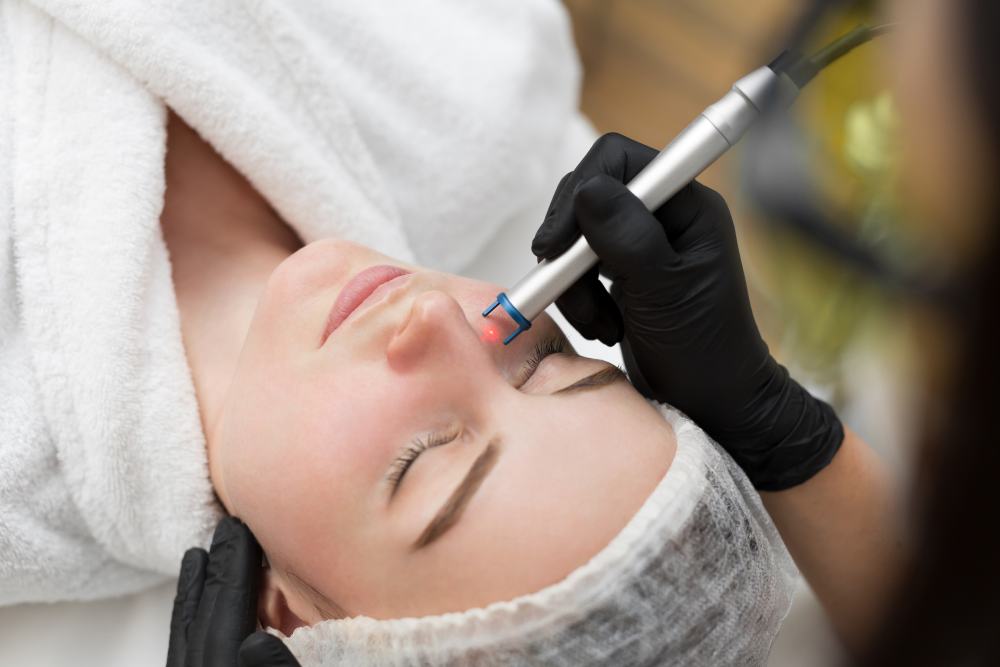
Under-eye dark circles are a common problem that negatively affects the aesthetic appearance of many people. They may occur both as a natural part of the aging process and due to genetics, lifestyle, or health conditions. Under-eye dark circles are often a sign of a tired, stressed, or unhealthy appearance and may reduce self-confidence. Fortunately, thanks to advances in modern medicine and aesthetic surgery, there are various effective treatment methods available to reduce under-eye dark circles. In this article, I will discuss the most effective treatment methods for under-eye dark circles in detail.
Causes of Under-Eye Dark Circles
The main factors that contribute to the formation of under-eye dark circles are as follows:
- Aging: Thinning of the skin, collagen loss, and displacement of fat tissue may cause under-eye dark circles.
- Genetics: This problem is more common in individuals with a family history of under-eye dark circles.
- Insufficient Sleep: Not getting regular and adequate sleep may cause the blood vessels around the eyes to dilate and lead to dark circles.
- Allergies: Allergies may increase dark circles by causing inflammation and swelling around the eyes.
- Lifestyle: Factors such as smoking, alcohol consumption, and irregular nutrition may trigger under-eye dark circles.
- Health Conditions: Health problems such as thyroid disorders, anemia, or kidney diseases may contribute to under-eye dark circles.
- Sun Exposure: Exposure to UV rays may cause pigmentation disorders and dark circles on the skin.
Effective Treatment Methods for Under-Eye Dark Circles
There are various surgical and non-surgical methods available to reduce under-eye dark circles. Here are the most effective treatment options:
- Blepharoplasty (Eyelid Surgery)
Blepharoplasty is the surgical removal of excess skin, fat, and muscle tissue from the eyelids. This intervention provides significant benefits both aesthetically and functionally.
Lower Blepharoplasty: Transconjunctival Blepharoplasty
Transconjunctival blepharoplasty is a minimally invasive surgical procedure performed from the inner side of the eyelid, without making any external incision, to correct fat bags in the lower eyelids. This method leaves no visible scar, has a short recovery period, and provides natural-looking results. It is preferred to reduce signs of aging and rejuvenate the eye area.
- Filler Injections
Filler materials are especially effective in correcting hollowness and fine lines under the eyes. They are injected under the eyes using biocompatible substances such as hyaluronic acid.
- Purpose: To make dark circles appear less noticeable by filling the hollows under the eyes.
- Procedure: It is a minimally invasive procedure performed under local anesthesia.
- Advantages: It provides fast results, is generally painless, and allows a quick return to daily life.
- Recovery Process: Mild swelling or bruising may occur, but it usually resolves within a few days.
- Permanence: Its effect lasts approximately 6-18 months and requires regular repetition.
- Laser Treatments
Laser technology is used to tighten the skin tissue in the under-eye area and increase elasticity. Various types of lasers, such as SmoothEye and fractional laser, are available.
- Purpose: To increase skin elasticity and reduce fine lines and dark circles.
- Procedure: Energy is delivered to the skin tissue using laser beams under local anesthesia.
- Advantages: It is minimally invasive, supports skin renewal, and provides natural-looking results.
- Recovery Process: Mild redness and swelling may occur and usually heal within a few days.
- Permanence: Repeated sessions may be required, and results vary from person to person.
- Chemical Peeling
Chemical peeling removes the upper layer of the skin to create a younger and fresher skin surface. It is effective in reducing skin problems caused by under-eye dark circles.
- Purpose: To even out skin tone and reduce fine lines and dark circles.
- Procedure: An acidic solution is applied to the skin and cleaned after being left on for a certain period.
- Advantages: It promotes skin renewal and reduces hyperpigmentation.
- Recovery Process: Mild redness and flaking may occur and return to normal within a few days.
- Permanence: Effects are seen within a few weeks, and regular applications may be required.
- PRP (Platelet Rich Plasma) Treatment
PRP treatment is performed by injecting platelet-rich plasma obtained from the patient’s own blood into the under-eye area. It aims to increase skin renewal and elasticity.
- Purpose: To stimulate skin cell renewal and reduce fine lines and dark circles.
- Procedure: Blood is drawn, plasma is separated through centrifugation, and then injected under the eyes.
- Advantages: It is a natural and biological treatment method with minimal risk of side effects.
- Recovery Process: Mild swelling or bruising may occur and usually resolves within a few days.
- Permanence: Its effects may last for several months, and regular sessions may be required.
- Microneedling
Microneedling is a treatment method that aims to increase skin renewal and collagen production by creating tiny punctures in the upper layer of the skin.
- Purpose: To increase skin elasticity and reduce fine lines and dark circles.
- Procedure: Microchannels are created on the skin surface using small, sterile needles.
- Advantages: It is minimally invasive, promotes healing of skin tissue, and provides natural-looking results.
- Recovery Process: Mild redness and sensitivity may occur and usually return to normal within a few days.
- Permanence: Effects become noticeable after several sessions, and regular applications may be required.
- Cold Cooling (Cryolipolysis)
The cold cooling method aims to eliminate fat cells by freezing them. It is effective in reducing excess fat deposits in the under-eye area.
- Purpose: To eliminate excess fat cells under the eyes and reduce dark circles.
- Procedure: Cold is applied to the under-eye area using cooling devices.
- Advantages: It is minimally invasive, painless, and provides natural-looking results.
- Recovery Process: Mild redness or swelling may occur and usually resolves within a few days.
- Permanence: Its effects are permanent and can be maintained for a long time with proper care.
Treatment Selection and Personalized Approach
The most suitable treatment method for under-eye dark circles varies depending on the cause of the dark circles, the patient’s general health condition, and aesthetic expectations. In general, a combination of more than one treatment method may provide more effective results instead of a single treatment method. For example, filler injections or laser treatments may be applied together with blepharoplasty.
Things to Consider Before and After Surgery
As with every treatment method, there are some points to consider before and after the methods applied for under-eye dark circles:
Before Surgery:
- Detailed Consultation: The patient’s medical history, current health condition, and aesthetic expectations are evaluated.
- Imaging and Tests: When necessary, the under-eye area is examined in detail using imaging techniques.
- Treatment Planning: A personalized treatment plan is created according to the patient’s needs and expectations.
- Risk Assessment: Possible risks and complications are explained, and the patient is informed.
After Surgery:
- Recovery Process: The postoperative recovery process is closely monitored, and precautions are taken against the risk of infection.
- Check-Ups: The recovery process is followed with regular check-ups, and additional interventions are performed when necessary.
- Lifestyle Adjustments: Lifestyle adjustments suitable for the patient’s recovery process are recommended, such as not smoking and eating a healthy diet.
- Follow-Up Treatments: When necessary, results are optimized with additional treatment methods.
Possible Risks and Complications
As with every treatment method, treatments applied for under-eye dark circles may involve certain risks and complications. However, these risks are minimized when the procedures are performed by a specialist surgeon.
- Infection: It is prevented by applying sterile surgical techniques and using appropriate antibiotics.
- Bleeding: The risk of bleeding is reduced by carefully controlling the surgical area.
- Swelling and Bruising: These are normal after surgery and usually decrease over time.
- Nerve Damage: It is rare, but can be prevented by careful application of surgical techniques.
- Aesthetic Irregularities: Conditions that may require revision surgery rarely occur, but they are minimized with planned and careful surgical techniques.
- Allergic Reactions: Allergic reactions to filler materials or local anesthesia may rarely occur.
Choosing a Specialist and Surgical Center
The success of treatment methods for under-eye dark circles depends on choosing the right surgeon and an appropriate surgical center. Here are some factors to consider when choosing a specialist:
- Education and Experience: The surgeon’s training and experience in aesthetic medicine and oculoplastic surgery directly affect the success of the operation.
- References and Patient Reviews: Experiences of previous patients and the surgeon’s references provide important information in terms of reliability.
- Surgical Center: A surgical center where modern techniques are used and sterile, hygienic conditions are provided should be preferred.
- Communication and Understanding: The surgeon’s ability to understand the patient’s expectations and communicate clearly is very important for satisfaction.
Recommendations from EBCİM
We aim to keep patient satisfaction at the highest level regarding under-eye dark circles. Here are some special recommendations we offer in this field:
- Do Detailed Research: Before considering treatment methods, clarify your needs and expectations. Speak openly with your surgeon and get answers to all your questions.
- Realistic Expectations: Remember that treatment methods do not produce miraculous results, but they do provide aesthetic and functional improvements.
- Evaluate Your Health Condition: Review your general health condition before treatment. If you smoke, consider quitting and follow your doctor’s recommendations.
- Pre-Treatment Preparation: Carefully follow the instructions given by your doctor before treatment. Do not neglect medication use, diet, and other preparation processes.
- Post-Treatment Care: During the recovery process, follow your doctor’s recommendations and provide the necessary care to achieve the best results.
Under-eye dark circles are a problem that affects not only aesthetic appearance but also an individual’s self-confidence. Thanks to advances in modern medicine and aesthetic surgery, it is possible to solve this problem effectively. In order to determine the most suitable treatment method for under-eye dark circles, it is important to have a detailed consultation with a specialist eye surgeon. With personalized treatment plans, satisfactory results can be achieved both aesthetically and functionally.
If you complain of under-eye dark circles and want to improve your aesthetic appearance, you can contact me so we can evaluate the most suitable treatment options for you. Wishing you a brighter future with healthy and youthful-looking eyes.
Best regards,
Op. Dr. Yıldız Acar Ebcim
Ophthalmologist